

Archive for Backyard Ideas
Selecting Heat-Tolerant Plants for Sonoma and Napa Summers
If you have spent any time walking through your garden in mid-July, you have likely noticed a clear divide. Some plants—like traditional hydrangeas, hostas, and thirsty turfgrass—look exhausted, scorched, and utterly miserable despite your best watering efforts. Meanwhile, other plants in the exact same yard look vibrant, structural, and completely unbothered by the 95-degree heat.
The secret to a landscape that looks incredible in July and August isn’t spending hours with a garden hose; it is choosing the right genetic material from the start. If you are tired of fighting the climate and replacing scorched plants every fall, it is time to transition your Sonoma or Napa County property toward heat-tolerant, drought-resistant species.
The Mediterranean Climate Advantage
We live in one of the few true Mediterranean climates on the planet. This means our region experiences cool, wet winters and long, hot, entirely dry summers. The smartest landscaping strategy is to select plants that have naturally evolved in similar climates around the world—places like the Mediterranean Basin, South Africa, parts of Australia, and central Chile.
These plants have developed incredible natural defenses against intense UV rays and prolonged drought. They feature waxy leaves to seal in moisture, silver foliage to reflect sunlight, and deep taproots to mine for subterranean water.
While July is generally too hot to plant new specimens (it is best to wait for the “Second Spring” of September and October to put new roots in the ground), right now is the absolute best time to observe your yard, see what is failing, and plan your heat-tolerant replacements.
Top Heat-Tolerant Superstars for Northern California
Here is a curated list of spectacular, high-performing plants that thrive when the heat peaks in Northern California.
1. Aromatic Mediterranean Shrubs These plants offer year-round structure, require very little water once established, and release intoxicating fragrances when the sun hits their foliage.
-
Lavender (Lavandula): Both English and Spanish varieties are bomb-proof in our climate. They love baking sun, despise wet feet, and provide brilliant purple blooms that pollinators adore.
-
Rosemary (Salvia rosmarinus): Whether you choose an upright architectural variety (like ‘Tuscan Blue’) or a cascading groundcover (like ‘Prostratus’), rosemary provides dark, evergreen structure and requires virtually zero summer irrigation.
-
Rock Rose (Cistus): A rugged, evergreen shrub that produces tissue-paper-like flowers in pinks and whites. It actively thrives in poor, rocky soil and intense heat.
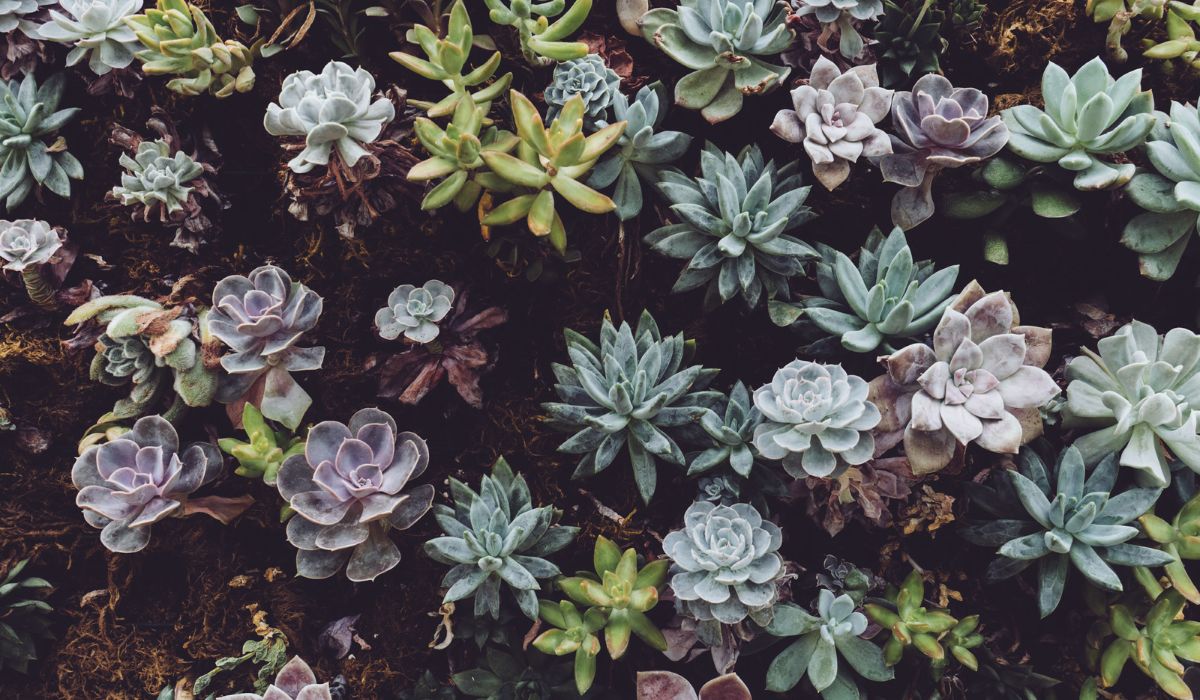
2. Succulents and Structural Accents Succulents store their own water reservoirs in their fleshy leaves and stems, making them the ultimate drought defenders.
-
Agave and Aloe: These provide massive architectural impact. Their striking, rigid rosettes serve as modern focal points in a garden bed, creating stunning contrast when paired with softer, flowing plants.
-
Sedums and Sempervivums: Perfect for rock gardens, border edges, or shallow containers that bake in the afternoon sun. They provide rich textures and colors ranging from lime green to deep burgundy.
3. Movement and Texture: Ornamental Grasses Ornamental grasses catch the evening summer breezes, adding life, movement, and a soft auditory rustle to the landscape.
-
Blue Oat Grass (Helictotrichon sempervirens): Forms a perfect, spiky dome of icy blue foliage that looks incredible when planted in sweeping drifts.
-
Mexican Feather Grass (Nassella tenuissima): Creates a soft, rolling, golden aesthetic that glows beautifully in the late afternoon summer sun. (Be sure to check local invasiveness guidelines, or substitute with native Deergrass, Muhlenbergia rigens).
4. Colorful Summer Perennials You don’t have to sacrifice color to save water. These perennials hit their blooming stride right when the heat is at its worst.
-
Yarrow (Achillea): A California native that produces flat, umbrella-like clusters of flowers in yellows, pinks, and reds. It loves the heat and is highly resistant to deer.
-
Russian Sage (Perovskia atriplicifolia): Features silvery foliage and clouds of lavender-blue flowers. It thrives in the hottest, driest spots of your yard and requires almost no maintenance.
-
Lantana: A low-growing, spreading perennial that blooms non-stop from spring until the first frost, offering clusters of vibrant orange, yellow, and magenta flowers.
Planning Your Landscape Renovation
If your July garden is leaving you frustrated, don’t rush to the nursery just yet. Take notes, take photos of the empty or struggling spots in your yard, and start building your plant list now. By the time the cooler planting window of autumn arrives, you will have a comprehensive plan to transform your thirsty, struggling yard into a resilient, heat-loving oasis.
Ready to rethink your landscape? The design team at DK Landscaping specializes in breathtaking, drought-tolerant environments tailored to the Sonoma, Napa, and Marin climates. Contact us today to start planning your fall renovation!
Winter Architecture: Using Evergreens and Hardscapes for Year-Round Appeal

When plants enter dormancy, many home gardens lose their color and definition. A well-designed landscape solves this by incorporating “winter architecture”—elements that introduce permanent structure, texture, and visual interest even in the dead of winter.
1. The Power of Evergreens
Evergreens form the permanent skeleton of a balanced, year-round garden.
-
Incorporating structural conifers, broadleaf evergreen shrubs (like Manzanita, Toyon, and Ceanothus), and structured hedging plants ensures your yard retains rich strokes of emerald, blue-green, and deep bronze all year long.
-
They provide essential privacy screens when deciduous neighbor trees are bare and serve as a brilliant backdrop for winter-blooming structural plants like camellias.
2. Maximizing Hardscapes and Stone Features
Winter is the season when hardscaping truly takes center stage.
-
Patios, flagstone pathways, dry creek beds, and stone retaining walls introduce geometric lines and organic earthy tones that stand resilient against gray winter skies.
-
Because plants aren’t dominating the visual field, your hardscape features anchor the eye, create distinct focal points, and prevent your property from feeling washed out.
3. Strategic Landscape Lighting
With shorter winter days, outdoor lighting transforms from a luxury into an absolute necessity for safety and visual warmth.
-
Up-lighting architectural tree trunks, casting a soft glow across stone pathways, or accentuating an entryway creates a welcoming oasis that combats the winter gloom.
-
Low-voltage LED systems installed by professionals ensure energy efficiency while highlighting the best structural features of your winter landscape.
Want to transform your property’s year-round curb appeal? Reach out to DK Landscaping to explore hardscaping and structural planting options tailored to your home. Contact us today!
Putting Your Garden to Bed: Essential Fall Winterization Steps

When autumn leaves begin to drop and morning temperatures take on a crisp edge, your landscape requires a deliberate shift in maintenance. November is the ideal time to clean the slate and set your soil up for success before heavy winter rains arrive.
1. Perform a Thorough Deep Clean
Just like a thorough indoor house cleaning, your garden needs a clean slate heading into winter.
-
Clear out spent summer annuals and weed your garden beds thoroughly.
-
Remove accumulated debris and fallen leaves from the crowns of sensitive perennials.
-
Why it matters: Leaving decaying organic matter piled directly against plant stems invites fungal diseases, slugs, and overwintering insect pests. (Healthy, disease-free leaves can be chopped and saved for your compost pile).
2. Apply a Protective Blanket of Mulch
If there is one golden rule for winterizing a Northern California landscape, it is mastering mulch. A 2-to-3-inch layer of organic mulch acts as a natural thermal blanket for your soil.
-
It insulates delicate root systems against sudden temperature drops.
-
It prevents heavy winter rains from compacting the topsoil and washing away vital nutrients.
-
It suppresses winter weed germination.
-
Pro Tip: Always keep mulch a couple of inches away from the direct trunks of trees and shrubs to prevent collar rot and moisture buildup.
3. Make Smart Irrigation Adjustments
With shorter days and increased chances of seasonal rainfall, your landscape’s water needs drop dramatically. Leaving automatic sprinkler timers on a summer schedule during late autumn is a recipe for root rot and wasted water.
-
Scale back your irrigation frequency and duration significantly.
-
Inspect your smart controller or rain sensor to ensure it responds accurately to local precipitation.
-
Water deeply but much less often to encourage root systems to stay anchored deep underground.
Ready to trade hours of weekend yard work for professional results? The team at DK Landscaping specializes in sustainable, seasonal landscape maintenance across Sonoma, Napa, and Marin counties. Contact us today for a consultation!
Planting for Spring: Bulbs and Cool-Season Annuals to Add in October

1. Spring-Blooming Bulbs: A Promise of Early Color
- Choose healthy, firm bulbs free of mold or damage.
- Plant at the right depth: Generally, bulbs should be planted two to three times as deep as their height (for example, a 2-inch bulb goes 4–6 inches deep).
- Group bulbs in clusters for a natural, dramatic effect rather than single rows.
- Water thoroughly after planting to settle the soil and encourage rooting.
2. Cool-Season Annuals for Fall and Early Spring Interest
- Plant annuals in well-drained soil amended with compost.
- Water regularly, especially during dry spells.
- Deadhead spent flowers to encourage continuous blooming.
3. Add Texture and Structure with Ornamental Grasses
4. Mulch and Protect New Plantings
5. Plan for Succession
Trust DK Landscaping for Expert Planting
The Perfect Patio: Design Ideas for Your Outdoor Living Space

Your patio is more than just a paved area in your backyard; it’s an extension of your home, a place to relax, entertain, and enjoy the beautiful California weather. At DK Landscaping, we believe that a well-designed patio can transform your outdoor space into a true oasis. Whether you’re dreaming of a cozy retreat for two or a spacious entertainment area for family and friends, we have the ideas and expertise to bring your vision to life.
Finding Your Patio Personality
The first step in creating the perfect patio is to think about how you want to use the space. Are you a sun-worshipper who wants a place to lounge and soak up the rays? Or are you a night owl who dreams of hosting dinner parties under the stars? Your answer will help to determine the size, shape, and style of your patio.
Here are a few popular patio styles to consider:
- The Entertainer’s Dream: A large, multi-level patio with a built-in barbecue, a fire pit, and plenty of seating is perfect for hosting a crowd.
- The Cozy Nook: A small, intimate patio with comfortable seating and lush plantings is the ideal spot for a quiet morning coffee or a romantic evening for two.
- The Modern Escape: A sleek, minimalist patio with clean lines, a neutral color palette, and a focus on texture is the perfect complement to a contemporary home.
Material Matters
The materials you choose for your patio will have a big impact on its look, feel, and durability. Here are a few popular options:
- Pavers: With a wide variety of colors, shapes, and sizes to choose from, pavers are a versatile and durable option for any patio.
- Natural Stone: From elegant flagstone to rustic slate, natural stone will give your patio a timeless, organic look.
- Concrete: Poured concrete is a budget-friendly option that can be customized with a variety of finishes and colors.
Putting the Finishing Touches
Once you’ve chosen the style and materials for your patio, it’s time to add the finishing touches that will make it your own. Here are a few ideas to get you started:
- Lighting: The right lighting can transform your patio from a daytime hangout to a magical evening retreat. Consider a mix of overhead lighting, accent lighting, and task lighting to create a layered and inviting look.
- Plants: Container gardens are a great way to add color, texture, and life to your patio. Choose a variety of plants with different heights, shapes, and colors to create a lush and inviting look.
- Furniture: Comfortable and stylish furniture is a must for any patio. Choose pieces that are durable, weather-resistant, and that reflect your personal style.
Ready to create the patio of your dreams? The team at DK Landscaping is here to help. We’ll work with you to design and build a beautiful and functional outdoor living space that you’ll enjoy for years to come. Contact us today for a consultation!
Beyond the Buzz: Creating a Bee-Friendly Garden That’s Also Beautiful

A garden teeming with life is a joy to behold, and the gentle buzzing of bees is a sure sign of a healthy ecosystem. But creating a bee-friendly garden isn’t just about helping our fuzzy, flying friends; it’s also about creating a vibrant, beautiful space for you and your family to enjoy. At DK Landscaping, we believe that you can have a garden that’s both a haven for pollinators and a stunning showcase of natural beauty.
Why Welcome Bees?
Bees are essential pollinators, responsible for much of the food we eat and the flowers we enjoy. By creating a bee-friendly garden, you are:
- Supporting Local Ecosystems: A healthy bee population is vital for the pollination of local plants, helping to maintain biodiversity in our community.
- Boosting Your Garden’s Health: More bees mean better pollination for your flowers and vegetable gardens, leading to more vibrant blooms and a more bountiful harvest.
- Creating a More Engaging Outdoor Space: A garden full of life is a garden full of interest. Watching bees flit from flower to flower is a simple pleasure that connects us with the natural world.
Designing Your Bee-Friendly Oasis
Creating a garden that bees will love is easier than you might think. Here are a few key principles to get you started:
- Plant in Patches: Bees are more attracted to large clusters of the same type of flower. Planting in patches of at least one square yard will make it easier for them to find and forage.
- Choose a Variety of Flowers: Different bees are active at different times of the year, so it’s important to have a variety of flowers that will bloom from early spring to late fall. This will provide a continuous source of food for our pollinating pals.
- Think in Color: Bees are most attracted to blue, purple, yellow, and white flowers. Incorporating these colors into your garden design is a sure way to catch their eye.
- Provide a Water Source: Bees need water to drink, but they can easily drown in open water. A shallow dish filled with pebbles or marbles and a small amount of water will give them a safe place to land and rehydrate.
Bee-utiful Plant Choices
Here are a few of our favorite bee-friendly plants that will also add a splash of color and beauty to your garden:
- Lavender: This fragrant herb is a bee magnet and its beautiful purple spikes will add a touch of elegance to any garden.
- Salvia: With a wide variety of colors and sizes, there’s a salvia for every garden. Their long-lasting blooms will keep the bees coming back for more.
- Sunflowers: These cheerful giants are not only a favorite of bees, but they also provide a tasty treat for birds and other wildlife.
- California Poppies: As our state flower, this vibrant orange beauty is a natural choice for any California garden and a favorite of local bees.
Ready to create a garden that’s buzzing with life? The team at DK Landscaping is here to help. We can design and install a beautiful, bee-friendly garden that you’ll love for years to come. Contact us today to learn more!
Designing Your Dream Spring Garden: Inspiration from DK Landscaping for March

As the landscape awakens in March, it’s the perfect time to not only tend to essential gardening tasks but also to dream and design the spring garden you’ve always envisioned. At DK Landscaping, we believe that thoughtful planning and creative inspiration are key to creating outdoor spaces that bring joy and beauty throughout the season.
This March, let’s explore some inspiring ideas and design considerations to help you craft your dream spring garden, with guidance and inspiration from the experts at DK Landscaping.
Embracing Color and Fragrance:
- Layering Spring Blooms: Create a tapestry of color by layering different spring-blooming plants with varying heights and bloom times. Start with early bloomers like daffodils and tulips, followed by mid-season favorites like irises and peonies, and then late-spring beauties like roses and foxgloves.
- Adding Fragrant Flowers: Engage your senses by incorporating fragrant spring blooms such as lilacs, hyacinths, sweet peas, and stock. Place them near walkways, patios, or windows where their delightful scents can be easily enjoyed.
- Creating Themed Color Palettes: Consider designing specific garden areas with a cohesive color palette. For example, a serene blue and white garden with forget-me-nots, white tulips, and bluebells, or a vibrant warm-toned bed with red poppies, orange calendula, and yellow daffodils.
Designing for Structure and Flow:
- Defining Garden Beds and Borders: Create clear definition between your lawn, pathways, and planting beds using edging materials like stone, brick, or metal. This adds a sense of order and visual appeal to your garden.
- Incorporating Vertical Elements: Add height and visual interest by incorporating vertical elements such as climbing roses on trellises, clematis vines on arbors, or tall flowering spires like delphiniums and snapdragons.
- Creating Pathways and Focal Points: Design inviting pathways that encourage exploration of your garden. Create focal points with striking plants, unique sculptures, or charming water features to draw the eye and add personality.
Considering Functionality and Enjoyment:
- Designing Outdoor Living Spaces: Extend your living space outdoors by creating comfortable seating areas, dining nooks, or even an outdoor kitchen. Consider the placement of these areas in relation to sunlight, shade, and prevailing winds.
- Attracting Pollinators: Design your garden with pollinators in mind by including a variety of nectar-rich flowers that attract bees, butterflies, and hummingbirds. Include native plants whenever possible.
- Creating a Cutting Garden: If you enjoy bringing fresh flowers indoors, dedicate a section of your garden to growing cut flowers like zinnias, cosmos, sunflowers, and dahlias.
Getting Started with Your Spring Garden Design:
- Assess Your Existing Space: Take a good look at your current garden, noting sunlight patterns, soil conditions, and existing plants.
- Gather Inspiration: Browse gardening books, magazines, websites, and social media platforms for ideas and inspiration that resonate with your style and local climate.
- Sketch Your Ideas: Create a rough sketch of your desired garden layout, noting the placement of different plants and features.
- Consult with the Experts: If you need help bringing your spring garden vision to life, the design team at DK Landscaping is here to provide expert advice and create a customized plan for your outdoor space.
Let DK Landscaping help you design and cultivate the spring garden of your dreams this March!
Contact us today for a consultation and let’s bring your vision to full bloom.
Spring Awakening: Essential March Gardening Tasks with DK Landscaping

Ah, March! The air is alive with the promise of new beginnings, the days are noticeably longer, and a vibrant energy returns to our California landscapes. At DK Landscaping, we eagerly anticipate this time of year, as it marks the true awakening of our gardens.
March is a bustling month for gardeners, filled with exciting opportunities to nurture new growth, plant for the season ahead, and revitalize our outdoor spaces after the quieter winter months. Let’s dive into some essential March gardening tasks to ensure your landscape flourishes this spring and beyond, courtesy of your friends at DK Landscaping.
Embracing the Burst of New Growth:
- Fertilizing for Spring Vigor: As plants emerge from dormancy and begin their active growth cycle, they benefit from a boost of nutrients. Apply a balanced, slow-release fertilizer to your lawns, trees, shrubs, and flower beds. Follow the product instructions carefully.
- Spring Pruning (Selective): Now that spring-flowering shrubs like azaleas, rhododendrons, and lilacs have finished their bloom (or are just finishing), it’s the ideal time to prune them. Prune to shape, remove dead or crossing branches, and encourage bushier growth for next year’s floral display. Avoid heavy pruning now, as you could remove developing flower buds.
- Dividing Perennials: Many perennials that have become overcrowded can be divided in early spring. This rejuvenates the plants, encourages more blooms, and allows you to expand your garden or share with friends. Look for plants with multiple crowns that can be easily separated.
Planting for a Colorful Season:
- Planting Warm-Season Vegetables: With the soil warming up, March is the perfect time to start planting many of your favorite warm-season vegetables, such as tomatoes, peppers, eggplants, zucchini, and cucumbers. Be sure to check your local frost dates and protect young plants if unexpected cold snaps occur.
- Direct Sowing Annual Flower Seeds: Sow seeds directly into your garden beds for a continuous display of colorful annual flowers like zinnias, cosmos, marigolds, and sunflowers. Choose varieties that thrive in your local climate and soil conditions.
- Planting Summer-Blooming Bulbs & Tubers: Get a head start on summer beauty by planting bulbs and tubers like gladiolus, dahlias, lilies, and cannas in March.
Lawn Care for a Lush Carpet:
- Lawn Aeration: If your lawn experienced heavy foot traffic or the soil feels compacted, consider aerating it in early March. Aeration improves air circulation, water penetration, and nutrient uptake, leading to a healthier and greener lawn.
- First Mowing & Edging: As your lawn begins to actively grow, it’s time for the first mowing of the season. Set your mower blades to a higher setting for the initial cut and maintain a consistent mowing schedule. Don’t forget to edge along walkways and garden beds for a crisp, clean look.
- Weed Control & Overseeding (if needed): Address any winter weeds that have emerged in your lawn. If your lawn is thin or patchy, early March is a good time to overseed with a suitable grass seed variety.
Ongoing Garden Maintenance:
- Continue Weed Control: Stay vigilant with weed control throughout March. Young weeds are easier to remove than established ones.
- Monitor for Pests & Diseases: As new growth emerges, keep an eye out for any signs of early pest infestations or diseases. Addressing problems promptly can prevent them from spreading.
- Watering as Needed: While spring rains are common, monitor soil moisture levels and water deeply when necessary, especially for newly planted items.
Embrace the Energy of Spring with DK Landscaping:
March is an exciting time to be a gardener in California, and DK Landscaping is here to help you make the most of this vibrant season. Whether you need assistance with spring planting, pruning, lawn care, or designing a stunning spring landscape, our experienced team is ready to bring your vision to life.
Contact DK Landscaping today to discuss your March gardening needs and let us help your garden thrive!
Love Your Landscape: Enhancing Beauty and Function in February with DK Landscaping

February, often associated with romance, is also a wonderful time to show some love to your landscape. Beyond the essential gardening tasks, this month provides an opportunity to focus on enhancing both the beauty and functionality of your outdoor spaces. At DK Landscaping, we believe a well-loved landscape contributes to your enjoyment and the overall value of your home.
Let’s explore some ways to show your landscape some extra attention this February, creating spaces you’ll adore in the seasons to come.
Adding Elements of Beauty and Ambiance:
- Consider Adding Hardscape Features: February’s milder weather can be a good time to plan and even begin smaller hardscape projects like adding a charming pathway, a decorative patio extension, or a cozy fire pit area. These features enhance the usability and visual appeal of your outdoor spaces.
- Install Outdoor Lighting: As the evenings remain a bit longer, consider adding or upgrading your outdoor lighting. Well-placed lights not only improve safety and security but also create a warm and inviting ambiance for evening enjoyment. Highlight architectural features, pathways, or favorite plants with strategically placed fixtures.
- Introduce Water Features: The gentle sound of flowing water can add a sense of tranquility and beauty to your garden. Consider installing a small fountain, a bird bath, or even a more elaborate water feature to create a focal point and attract beneficial wildlife.
- Enhance Seating Areas: Think about creating comfortable and inviting seating areas where you can relax and enjoy your garden. Add a new bench, a set of outdoor chairs, or even a hammock. Consider the views and the sun/shade patterns when choosing locations.
Focusing on Functionality and Sustainability:
- Improve Drainage: If you’ve noticed areas in your garden that tend to stay waterlogged, February is a good time to address drainage issues. Consider installing French drains or amending the soil to improve drainage and prevent root rot.
- Build or Expand Raised Beds: Raised garden beds offer numerous benefits, including improved drainage, easier access for planting and harvesting, and better soil control. February is a great time to build or expand your raised bed areas in preparation for spring planting.
- Install or Upgrade Irrigation Systems: Ensure your irrigation system is functioning efficiently. February provides an opportunity to inspect sprinkler heads, repair leaks, and adjust watering schedules in anticipation of the drier months ahead. Consider upgrading to a more water-efficient system like drip irrigation.
- Create Wildlife Habitats: Show your love for nature by creating habitats that attract beneficial insects, birds, and pollinators. Consider adding bird feeders, bird baths, and planting native flowers that provide food and shelter.
Showing Your Plants Some Love:
- Top Dress Planting Beds: Refresh your planting beds with a layer of compost or well-rotted manure. This provides a slow-release of nutrients and improves soil health.
- Mulch Thoughtfully: Ensure your plants have an adequate layer of mulch to help retain moisture, suppress weeds, and protect roots from temperature fluctuations.
- Inspect Plant Supports: Check the supports for climbing plants and make any necessary repairs or adjustments before vigorous spring growth begins.
At DK Landscaping, we’re passionate about creating outdoor spaces that you’ll truly love. Let us help you enhance the beauty and functionality of your landscape this February and beyond.
Contact DK Landscaping today to discuss your landscape enhancement projects!
Preparing for Spring’s Grand Entrance: February Gardening with DK Landscaping

As the days lengthen and a hint of warmth returns to the California air, February serves as a pivotal month for gardeners. It’s a time of anticipation, a bridge between the quiet of winter and the vibrant explosion of spring. At DK Landscaping, we believe February is the perfect opportunity to lay the groundwork for a flourishing and beautiful garden in the months ahead.
While the full bloom of spring is still on the horizon, there are plenty of rewarding tasks you can tackle now to ensure your landscape is ready for its grand entrance. Let’s delve into some key February gardening activities with DK Landscaping.
Essential Tasks to Tackle This Month:
- Final Dormant Pruning: February is generally your last chance for significant dormant pruning of deciduous trees and shrubs before new growth begins. Continue removing dead, damaged, or crossing branches to improve plant health and shape. Avoid heavy pruning of spring-flowering shrubs until after they bloom. If you need assistance with precise pruning techniques, our team at DK Landscaping is here to help.
- Planting Bare-Root Trees & Shrubs: February is an ideal time to plant bare-root trees, shrubs, and roses. These dormant plants establish their root systems quickly in the cool, moist soil, giving them a strong start for spring growth. You’ll find a wide selection available at nurseries now.
- Soil Preparation for Spring Planting: If you’re planning new garden beds or vegetable patches, February is the perfect time to prepare the soil. Amend it with plenty of compost or other organic matter to improve drainage, aeration, and nutrient content. You can also turn the soil to incorporate amendments and remove any lingering weeds.
Getting a Head Start on Spring Color:
- Planting Cool-Season Flowers: Enjoy a burst of early color by planting cool-season annuals like pansies, violas, primroses, and snapdragons. These cheerful flowers thrive in the cooler temperatures of late winter and early spring.
- Sowing Hardy Annual Seeds Outdoors: In milder California climates, you can start sowing seeds for hardy annuals like sweet peas, poppies, and calendula directly into the ground in February. Follow the instructions on your seed packets for best results.
- Continue Starting Seeds Indoors: If you haven’t already, February is a great time to start seeds indoors for warm-season vegetables like tomatoes, peppers, and eggplants, as well as many annual flowers. This gives them a head start before they can be safely transplanted outdoors after the last frost.
Maintaining a Healthy Winter Landscape:
- Weed Control: Even in February, weeds can start to emerge. Tackle them early before they become established. Hand-pulling is often effective for small infestations.
- Monitor for Pests & Diseases: Keep an eye out for any early signs of pests or diseases on your plants. Addressing problems early can prevent more significant issues later in the season.
- Watering Wisely: Continue to monitor soil moisture levels and water deeply when needed, especially during dry spells. Remember that plants generally require less water in the cooler months.
Planning for a Beautiful Spring with DK Landscaping:
February is an exciting time for gardeners as we anticipate the arrival of spring. Whether you need help with pruning, planting, soil preparation, or designing your dream spring landscape, the team at DK Landscaping is ready to assist you.
Contact DK Landscaping today to discuss your February gardening needs and let us help you prepare for a spectacular spring!


