

Archive for Backyard Ideas
Winter Blooms & Interest: Adding Beauty to Your January Landscape with DK Landscaping

While many plants take a rest during January, your California landscape doesn’t have to be devoid of color and interest. In fact, with careful selection, you can enjoy a touch of beauty and even some surprising blooms during these cooler months. At DK Landscaping, we believe that a well-designed garden offers year-round visual appeal.
This January, let’s explore some ways to add winter interest and even some pops of color to your California landscape.
Embrace Winter-Blooming Wonders:
- Camellias: These elegant shrubs are a star of the winter garden, offering stunning blooms in shades of pink, red, white, and even bi-colors. They thrive in partial shade and their glossy evergreen foliage provides year-round appeal.
- Hellebores (Lenten Roses): These resilient perennials bloom in late winter and early spring, often starting in January. Their nodding flowers come in a range of colors, including white, green, pink, and burgundy, and they are relatively low-maintenance once established.
- Winter Jasmine: This vining shrub bursts into cheerful yellow flowers on its bare branches in late winter. It’s a vigorous grower and can be trained on walls, fences, or used as a groundcover.
- Flowering Quince: Another deciduous shrub that blooms on bare branches, flowering quince offers vibrant red, pink, or white flowers in late winter to early spring. It’s also relatively drought-tolerant once established.
Focus on Evergreen Structure & Textural Interest:
Even without abundant blooms, evergreen plants provide essential structure and visual interest to the winter landscape:
- Conifers: Pines, junipers, and cypress offer a variety of shapes, sizes, and textures, adding year-round greenery and architectural interest.
- Broadleaf Evergreens: Plants like pittosporum, boxwood, and euonymus provide a backdrop of lush foliage in various shades of green and even variegated forms.
- Grasses: Many ornamental grasses retain their attractive seed heads and foliage throughout the winter, adding movement and texture to the garden.
Berries & Colorful Stems:
Some plants offer winter interest through their colorful berries or vibrant stems:
- Nandina (Heavenly Bamboo): Many varieties of Nandina display clusters of bright red berries that persist through the winter, adding a pop of color. Their foliage also often takes on reddish or purplish hues in the cooler months.
- Red Twig Dogwood: As the leaves drop, the bright red stems of this shrub become a striking feature in the winter landscape.
- California Holly (Toyon): Native to California, Toyon is adorned with clusters of bright red berries in the winter, attracting birds and adding festive color.
Don’t Forget Hardscape & Design:
- Statuary & Water Features: These elements provide year-round interest and can become more prominent in the winter landscape when foliage is less dense.
- Pathways & Patios: Well-defined hardscape elements create structure and visual flow even when plants are dormant.
At DK Landscaping, we can help you select and incorporate plants that provide beauty and interest to your California garden throughout the winter months. Let us design a landscape that delights you in every season.
Contact DK Landscaping today for a consultation and discover the beauty of a winter garden!
Fresh Start, Flourishing Garden: January Tips from DK Landscaping

Happy New Year from DK Landscaping! As the calendar turns, it’s a time for fresh starts and renewed energy, and the same can be true for your California garden. While January might bring cooler temperatures and shorter days, it’s far from a dormant period. In fact, it’s a crucial month for setting the stage for a vibrant and healthy landscape throughout the year.
At DK Landscaping, we believe that a little attention now can lead to big rewards later. So, shake off the winter chill and let’s explore some essential January tasks to ensure your garden thrives in the months ahead.
Embrace the Quiet Season for Essential Tasks:
January offers a valuable opportunity to focus on the foundational aspects of your garden:
- Dormant Pruning: Many deciduous trees and shrubs are in their dormant phase during January, making it an ideal time for more significant pruning. Removing crowded, crossing, or dead branches improves air circulation, light penetration, and overall plant health. Proper pruning now encourages vigorous new growth in the spring. If you’re unsure about the best pruning techniques for your specific plants, our experienced team at DK Landscaping can provide expert pruning services.
- Tool Care & Organization: Take advantage of the slower pace to clean, sharpen, and oil your gardening tools. A little maintenance now will keep them in top condition and ready for the busier seasons ahead. Organize your garden shed or storage space to make finding what you need easier.
- Hardscape Inspection & Repair: Winter weather can sometimes reveal issues with hardscape elements like pathways, patios, and fences. Take a walk around your garden and identify any cracks, loose stones, or damage that needs repair before the growing season begins. Addressing these issues now can prevent further deterioration.
Nurturing the Soil for Future Growth:
Healthy soil is the foundation of a thriving garden. January is a great time to focus on soil health:
- Soil Testing: If you haven’t tested your soil in a while, January is an excellent time to do so. Soil tests provide valuable information about nutrient levels and pH, allowing you to make informed decisions about amendments and fertilization in the spring.
- Adding Organic Matter: Continue adding compost or other organic matter to your garden beds. This improves soil structure, drainage, and water retention, and provides essential nutrients for your plants as they emerge from dormancy.
- Mulch Refresh: Check your mulch layers and replenish as needed. Mulch helps suppress weeds, retain soil moisture, and protect plant roots from temperature fluctuations.
Planning and Preparation for Spring:
January is an ideal time to dream and plan for the exciting possibilities of spring:
- Seed Starting Indoors (Select Varieties): In warmer California regions, you might be able to start seeds for certain early-season vegetables and flowers indoors towards the end of January. Check your local planting guides for specific recommendations.
- Order Seeds & Plan Your Plantings: Browse seed catalogs and online resources to plan your vegetable and flower gardens for the upcoming season. Consider your available space, sunlight conditions, and desired bloom times or harvest schedules.
- Sketch Garden Layouts: If you’re planning any changes to your garden layout or adding new beds, January is a good time to sketch out your ideas and visualize the changes.
Watering Wisely in Winter:
While rainfall is more common in January, it’s still important to monitor your soil moisture, especially for container plants and during dry spells. Water deeply when needed, but avoid overwatering, which can lead to root rot in cooler temperatures.
At DK Landscaping, we’re here to help you make the most of every season in your California garden. Let us assist you with dormant pruning, soil preparation, or planning your spring landscape.
End-of-Year Garden Review & New Beginnings with DK Landscaping

As the year draws to a close, it’s a natural time for reflection and planning. At DK Landscaping, we encourage you to take a moment to review your garden’s journey over the past year and look ahead to exciting new possibilities in the coming year. December offers a unique opportunity to assess what thrived, what struggled, and what changes you might want to make to create your dream California landscape.
Reflecting on Your Garden’s Year
- What Were the Highlights? Think back to the moments of joy your garden brought you. Were there specific plants that bloomed beautifully? Did you enjoy spending more time in a particular area? Identify these successes to build upon them.
- What Were the Challenges? Consider any challenges your garden faced, such as pest problems, water issues, or plants that didn’t perform as expected. Understanding these challenges will help you make informed decisions for the future.
- What Did You Learn? Every season in the garden teaches us something new. Did you discover a new favorite plant? Did you learn a better watering technique? Take note of these lessons.
December: A Time for Assessment and Planning
- Take a Garden Walk: Spend some time walking through your landscape, observing its current state. Note areas that might need attention in the coming months.
- Soil Testing: If you haven’t done so recently, consider performing a soil test. This will give you valuable insights into your soil’s nutrient levels and pH, helping you make informed decisions about fertilization in the spring.
- Sketch Out Ideas: Grab a notebook and sketch out any ideas you have for changes or additions to your landscape in the new year. This could include new planting beds, hardscape features, or changes in plant selections.
- Browse Inspiration: Look through gardening magazines, websites, and social media for inspiration and new ideas that resonate with your style and local climate.
Preparing for a Fresh Start
- Tool Maintenance: Now is a great time to clean, sharpen, and organize your gardening tools. Being prepared with well-maintained equipment will make spring tasks much easier.
- Seed Catalogs & Plant Research: Start browsing seed catalogs and researching new plants you might want to incorporate into your garden next year. Consider factors like sunlight requirements, water needs, and bloom times.
- Plan Your Spring Projects: If you have larger landscaping projects in mind, such as installing a new patio or renovating a planting bed, now is a good time to start planning and potentially get quotes from contractors like DK Landscaping.
Looking Ahead with DK Landscaping
As you plan for the future of your California landscape, remember that DK Landscaping is here to help. Whether you need assistance with design, installation, maintenance, or simply want expert advice, our team is dedicated to bringing your garden dreams to life.
Let us partner with you to make the coming year your garden’s best year yet! Contact DK Landscaping to discuss your landscaping goals for the new year.
Deck the Yards! Holiday Landscape Tips from DK Landscaping

Deck the Yards! Holiday Landscape Tips from DK Landscaping
The festive season is upon us, and while twinkling lights and cheerful decorations often focus indoors, don’t forget the potential of your outdoor space! At DK Landscaping, we believe your garden can be an integral part of your holiday celebrations, adding a touch of natural beauty and festive cheer to your California home.
This December, let’s explore some ways to deck the yards and make your landscape merry and bright!
Festive Foliage & Natural Decor:
- Embrace Evergreens: California might not have snowy landscapes, but we have beautiful evergreens! Consider adding potted cypress or small pine trees to your porch or patio. They bring a classic holiday feel and can be decorated with lights and ornaments suitable for outdoor use.
- Wreaths & Garlands with a Local Flair: Instead of traditional pine, consider creating wreaths and garlands using California natives like eucalyptus, redwood sprigs, or even succulents for a unique and drought-tolerant touch.
- Berries & Branches: Look for plants with vibrant winter berries, like Toyon (California Holly), or interesting bare branches that can be adorned with lights or natural ornaments.
- Natural Centerpieces: Use cut branches, pinecones, and berries from your garden to create beautiful and sustainable holiday centerpieces for outdoor tables.
Lighting Up the Night (Responsibly):
- Energy-Efficient Options: Opt for LED holiday lights, which consume significantly less energy and last longer.
- Highlight Key Features: Instead of overwhelming your entire landscape, focus on highlighting key architectural elements, trees, or pathways with soft, warm lighting.
- Consider Timers: Use timers to automatically turn your lights on and off, saving energy and ensuring a welcoming glow during the evening hours.
- Safety First: Ensure all outdoor electrical connections are weatherproof and follow safety guidelines when installing lights.
Winter Garden Care Continues:
While the holiday season is busy, don’t neglect essential winter garden care:
- Continue Monitoring Watering: Even with cooler temperatures and potential rain, keep an eye on soil moisture levels, especially for newly planted items or container plants. Water deeply when needed, but avoid overwatering.
- Protect from Frost: Be aware of potential frost warnings, especially in inland areas. Cover sensitive plants with frost cloth or move potted plants to sheltered locations.
- Winter Pruning (Light): Continue with light pruning of dead or damaged branches as needed. Avoid heavy pruning until late winter or early spring for most plants.
- Mulch Matters: Ensure your plants have a good layer of mulch to help retain soil moisture, suppress weeds, and protect roots from temperature fluctuations.
Bringing the Indoors Out:
- Cozy Seating Areas: If the weather permits, create cozy outdoor seating areas with throws and pillows where you can enjoy the crisp air and your festive landscape.
- Outdoor Fire Pits: A fire pit can be a wonderful gathering spot during the cooler evenings. Ensure it’s placed safely and follow local regulations.
At DK Landscaping, we believe your outdoor space should be an extension of your holiday cheer. Let us help you create a festive and beautiful landscape that you can enjoy throughout December and beyond.
Wishing you a joyful and bright holiday season from the team at DK Landscaping!
Fall in Love with Your Landscape (Again!): November Tips from DK Landscaping

The air is getting crisper, the leaves are putting on their final, fiery show (though maybe with a little less intensity than our East Coast cousins!), and the scent of pumpkin spice is everywhere. Here in California, November marks a beautiful transition in our landscapes. While the scorching summer heat is a distant memory, it’s not quite time to huddle indoors just yet. In fact, November is a prime time to give your garden some much-needed attention and set it up for a thriving spring.
At DK Landscaping, we believe a well-maintained landscape is a year-round source of joy. So, grab a warm beverage, pull on your gardening gloves, and let’s dive into our top tips for making the most of your California garden this November!
Embrace the Post-Summer Refresh:
Summer can be tough on our plants. Now is the perfect time to assess the damage and give them some TLC:
- Deep Clean & Clear Out: Just like you might do a fall cleaning indoors, your garden needs one too! Rake up fallen leaves (they make great compost!), remove dead or diseased plant material, and clear out any lingering weeds that thrived during the warmer months. This helps prevent pests and diseases from overwintering in your garden.
- Pruning Power: Many shrubs and trees benefit from late fall pruning. Removing dead, damaged, or crossing branches improves air circulation and encourages healthy growth in the spring. Not sure where to start? Our experienced team at DK Landscaping can provide expert pruning services to ensure your plants are shaped and cared for correctly.
- Soil Love: After a long growing season, your soil might be depleted. Now is an excellent time to amend your soil with compost or other organic matter. This will improve drainage, aeration, and provide essential nutrients for the months ahead.
Watering Wisdom for Cooler Days:
While the temperatures are dropping, your plants still need water, just not as frequently as in the summer.
- Adjust Your Irrigation: Reduce your watering frequency and duration. Overwatering in cooler weather can lead to root rot. Observe your plants and the soil moisture levels to determine the right schedule.
- Water Deeply and Less Often: When you do water, water deeply to encourage strong root growth.
- Consider Rainfall: Keep an eye on the forecast! If we get a good amount of rain, you can likely skip a watering cycle.
Planting for the Future:
Believe it or not, November is a fantastic time for certain types of planting in California:
- California Natives: Many California native plants thrive when planted in the fall. The cooler, wetter conditions allow their roots to establish before the heat of summer arrives. Consider adding some beautiful and drought-tolerant natives to your landscape.
- Cool-Season Vegetables: If you enjoy fresh produce, now is the time to plant cool-season vegetables like lettuce, spinach, kale, broccoli, and garlic.
- Spring-Blooming Bulbs: Dreaming of vibrant tulips, daffodils, and hyacinths in the spring? Now is the time to plant those bulbs! They need the cool winter months to develop properly.
Don’t Forget the Details:
- Clean Your Tools: Before storing your gardening tools for the winter, clean and sharpen them. This will keep them in good condition and ready for action in the spring.
- Protect Tender Plants: If you have any frost-sensitive plants, consider moving them indoors or providing some form of protection on colder nights.
- Enjoy Your Space! Even with the cooler weather, take some time to appreciate the beauty of your fall landscape. It’s a different kind of beauty, but just as rewarding.
Ready to Give Your Landscape Some November Love?
At DK Landscaping, we’re passionate about helping you create and maintain a beautiful and healthy outdoor space year-round. Whether you need help with fall cleanup, pruning, planting, or simply want some expert advice, our team is here for you.
Contact DK Landscaping today for a consultation and let us help you fall in love with your landscape all over again this November!
Reclaim Your Weekends: Smart, Low Maintenance Landscaping Strategies

Does the thought of Saturday morning mean firing up the lawnmower instead of sipping coffee on the patio? Do visions of endless weeding, watering, and pruning haunt your Sunday afternoons? For many homeowners, the dream of a beautiful yard quickly becomes a reality of demanding, time-consuming chores.
At DK Landscaping, we believe your outdoor space should be a source of relaxation and enjoyment, not a drain on your precious free time. The good news is that a stunning, vibrant landscape doesn’t have to chain you to constant upkeep. By implementing smart, low-maintenance landscaping strategies, you can significantly cut down on yard work and reclaim your weekends.
Here are some key strategies we recommend:
1. Choose Your Plants Wisely
This is perhaps the single most impactful step. Opting for the right plants for our specific climate and your yard’s conditions (sun/shade, soil type) is crucial.
- Native Plants: These are naturally adapted to our local environment, meaning they generally require less water, fertilizer, and pest control once established.
- Drought-Tolerant Species: Reduce your watering duties significantly by selecting plants that thrive with less moisture. Think succulents, ornamental grasses, and specific perennials known for their resilience.
- Slow-Growing Shrubs & Perennials: Minimize pruning tasks by choosing varieties that maintain their shape and size without constant trimming.
2. Mulch is Your Best Friend
Never underestimate the power of a good layer of mulch! Applying a 2-3 inch layer of organic (like bark chips or shredded hardwood) or inorganic (like gravel or pebbles) mulch offers multiple benefits:
- Suppresses Weeds: Significantly reduces the space and light available for weeds to germinate.
- Retains Soil Moisture: Less evaporation means less frequent watering.
- Regulates Soil Temperature: Protects roots from extreme heat and cold.
- Improves Soil Health (Organic Mulch): Breaks down over time, adding valuable nutrients to the soil.
3. Embrace Hardscaping
Hardscaping refers to the non-living elements of your landscape – patios, walkways, retaining walls, decks, and decorative rock features. Strategically incorporating hardscaping can drastically reduce high-maintenance areas.
- Reduce Lawn Size: Replacing sections of grass with a beautiful patio, extended walkway, or gravel garden bed instantly cuts down on mowing, fertilizing, and watering.
- Define Spaces: Well-placed paths and patios create functional, attractive zones that require minimal upkeep compared to planted beds or lawns.
4. Rethink the Traditional Lawn
While a lush green lawn is appealing, it’s often the most maintenance-intensive part of a yard. Consider these options:
- Shrink It: If you don’t need a vast expanse of grass, reduce its footprint in favor of planting beds or hardscaping.
- Choose Tougher Grass: Select grass varieties known for drought tolerance and slower growth rates suitable for our region.
- Explore Lawn Alternatives: Groundcovers like creeping thyme or sedum, or even clover lawns, can offer green coverage with less mowing and watering.
5. Water Smarter, Not Harder
Efficient watering saves time, conserves water, and promotes healthier plants.
- Drip Irrigation & Soaker Hoses: Deliver water directly to the root zone, minimizing evaporation and runoff. Ideal for garden beds and shrubs.
- Smart Controllers: Invest in sprinkler timers that adjust based on weather forecasts, preventing unnecessary watering.
- Group Plants by Water Needs: Place thirsty plants together and drought-tolerant ones together (hydrozoning) to water more effectively.
Your Weekend Freedom Awaits
Implementing these low-maintenance strategies doesn’t mean sacrificing beauty. In fact, a well-designed, low-care landscape often looks more natural, established, and effortlessly appealing. Imagine spending your weekends relaxing, entertaining, or pursuing hobbies, knowing your yard looks great without demanding all your time.
Ready to trade hours of yard work for more moments of enjoyment? The team at DK Landscaping specializes in creating beautiful, sustainable, and low-maintenance landscapes tailored to your lifestyle. Contact us today for a consultation, and let’s design an outdoor space you can truly live in!
Dog-Friendly Landscaping with DK: Creating a Backyard Oasis for You and Your Furry Friend

Your backyard is an extension of your home, a place for relaxation, fun, and connection. And for many of us, that means sharing the space with our beloved canine companions! At DK Landscaping, we understand that your dog is part of the family, and we believe they deserve a backyard that caters to their needs as much as it does to yours. Creating a dog-friendly landscape involves careful consideration of plants, hardscaping, and design elements to ensure a safe and enjoyable environment for everyone.
Plant Selection: A Garden That’s Safe and Stunning
While a lush garden bursting with colorful blooms might be your dream, it’s important to remember that many common plants pose a serious threat to dogs. Azaleas, rhododendrons, and oleander, for example, contain toxins that can cause a range of health problems if ingested. Even seemingly harmless plants like sago palms can be extremely dangerous, potentially leading to liver failure.
But don’t despair! There’s a wide variety of beautiful and dog-safe alternatives to choose from. Fragrant herbs like rosemary and lavender not only add a lovely sensory dimension to your garden but are also perfectly safe for curious sniffs and accidental nibbles. Sunflowers bring a cheerful burst of color, while ferns offer lush texture and a touch of the wild. Remember, it’s always a good idea to research any plant before adding it to your yard. The ASPCA website is a fantastic resource for identifying toxic and non-toxic plants.
Hardscaping for Happy Paws: Building a Foundation for Fun
Hardscaping plays a crucial role in creating a dog-friendly backyard. Well-defined pathways made from materials like flagstone, decomposed granite, or mulch not only add visual appeal but also help prevent your dog from trampling delicate plants. A sturdy fence is essential for keeping your furry friend safe and contained within your property. Be sure to choose a material and height that discourage climbing and digging. If your dog loves to play, consider designating a specific area with durable surfacing like artificial turf or pea gravel. This provides a comfortable space for fetch, zoomies, and all those other canine antics, while protecting your lawn from excessive wear and tear.
Design Elements for Canine Comfort: Creating a Relaxing Retreat
Beyond plants and hardscaping, thoughtful design choices can further enhance your dog’s enjoyment of the backyard. California summers can be brutal, so providing ample shade with trees, shrubs, or a covered patio is essential. A dog house or other sheltered area offers a welcome retreat from the elements. On those hot days, a shallow water feature like a small pond or fountain provides a refreshing spot for your dog to cool down and have some fun. And if your dog is a digger (and let’s face it, many are!), consider creating a designated digging zone filled with loose soil or sand. This can help redirect their digging instincts away from your prized flowerbeds.
DK Landscaping: Your Partner in Dog-Friendly Design
Creating a backyard oasis for both you and your furry friend requires careful planning and consideration. At DK Landscaping, our team of experienced professionals can help you navigate the choices and create a landscape that’s both beautiful and functional. We’ll help you select the right plants, hardscaping materials, and design elements to ensure a safe and enjoyable space for everyone.
Ready to create a backyard where both you and your dog can thrive? Contact DK Landscaping today for a consultation. We’ll work with you to design a space that meets your needs and exceeds your expectations!
Drought-Tolerant Landscaping: Creating a Thriving Oasis in California’s Summer Sun

California’s summers are renowned for their sunshine, warmth, and unfortunately, their dryness. As water conservation becomes increasingly crucial, it’s time to rethink our landscaping choices and embrace the beauty of drought-tolerant designs. At DK Landscaping, we specialize in creating stunning, sustainable landscapes that flourish even in the harshest conditions.
The Importance of Water Conservation
With California facing ongoing drought conditions, responsible water use is paramount. Traditional lawns and water-hungry plants strain our precious resources and can lead to hefty water bills. By transitioning to drought-tolerant landscaping, we can significantly reduce our water consumption, create more sustainable environments, and still enjoy beautiful outdoor spaces.
Embracing the Beauty of Drought-Tolerant Plants
Drought-tolerant landscaping doesn’t mean sacrificing beauty or vibrancy. Many stunning plants thrive in arid conditions, offering a diverse palette of colors, textures, and forms. These plants have adapted to survive with minimal water, often boasting features like succulent leaves, deep roots, or silvery foliage that reflects sunlight.
Some popular drought-tolerant plants for California landscapes include:
- Succulents: Echeveria, Agave, Aloe
- Native Plants: California Poppy, Ceanothus, Manzanita
- Ornamental Grasses: Purple Fountain Grass, Blue Fescue, Feather Reed Grass
- Drought-Tolerant Shrubs: Lantana, Lavender, Rosemary
Designing Your Drought-Tolerant Landscape
Creating a successful drought-tolerant landscape involves careful planning and consideration of several factors:
- Soil: Improve soil drainage and water retention by adding organic matter like compost.
- Sun Exposure: Choose plants that are well-suited to your yard’s specific sun and shade conditions.
- Hydrozoning: Group plants with similar water needs together to optimize irrigation efficiency.
- Mulching: Apply a layer of mulch to conserve moisture, suppress weeds, and regulate soil temperature.
- Irrigation: Install a water-efficient irrigation system, such as drip irrigation, to deliver water directly to plant roots.
Beyond Plants: Creative Landscaping Ideas
Drought-tolerant landscaping goes beyond plant selection. Consider incorporating these elements into your design:
- Hardscaping: Use pavers, gravel, or decomposed granite to create patios, walkways, and other non-plant areas.
- Dry Creek Beds: Mimic natural drainage channels with decorative rock and gravel beds.
- Rain Gardens: Capture and filter rainwater runoff with strategically placed depressions filled with native plants.
- Water Features: Add a touch of tranquility with a small fountain or recirculating water feature.
DK Landscaping: Your Partner in Sustainable Design
At DK Landscaping, we are passionate about creating beautiful, water-wise landscapes that thrive in California’s climate. Our team of experts can guide you through every step of the process, from plant selection and design to installation and maintenance.
Let us help you transform your outdoor space into a sustainable oasis that conserves water, supports local ecosystems, and brings you joy for years to come. Contact us today for a free consultation!
Remember, drought-tolerant landscaping is an investment in the future of our environment and your outdoor living experience. Let’s work together to create a more sustainable and beautiful California.
Creating a Pollinator Paradise: Plants That Attract Bees and Butterflies in Rohnert Park, California

Transforming your garden into a haven for pollinators not only contributes to the local ecosystem’s health but also brings life and beauty to your yard. For residents of Rohnert Park, California, fostering a landscape that invites bees and butterflies is both a rewarding endeavor and a step toward sustainability. Here’s how you can create your own pollinator paradise with plants ideally suited for our climate and region.
Why Focus on Pollinators?
Pollinators like bees and butterflies are essential to the propagation of many plants and crops. By attracting these beneficial insects, you’re helping to support biodiversity, which is crucial for ecological balance. Plus, watching these creatures flit from flower to flower adds an element of dynamic beauty to your garden.
Choosing the Right Plants
Selecting native plants that thrive in the Rohnert Park area ensures lower maintenance, better survival rates, and a natural appeal to local pollinators. Here are some top choices to consider:
1. California Poppy (Eschscholzia californica) – This state flower is not only vibrant and drought-tolerant but also a favorite among bees. Its golden blooms add a splash of color to any garden from early spring through fall.
2. Lavender (Lavandula) – With its soothing fragrance and lovely purple spikes, lavender is irresistible to bees and butterflies. It’s also drought-resistant, making it ideal for California gardens.
3. Sage (Salvia) – There are several native sages to choose from, like Cleveland sage (Salvia clevelandii), which is highly aromatic and attracts a variety of bees and hummingbirds.
4. Manzanita (Arctostaphylos) – Early blooming manzanita provides nectar and pollen during late winter and early spring, a crucial time for many pollinators.
5. Milkweed (Asclepias spp.) – As the breeding ground for monarch butterflies, milkweed is essential for their lifecycle. It’s a must-have for any butterfly garden.
6. Sunflower (Helianthus annuus) – Bees love sunflowers, and their large, bold faces are a cheerful addition to any setting.
7. Penstemon – With their tubular flowers, penstemons are particularly attractive to hummingbirds and butterflies.
Design Tips for Pollinator Gardens
- Group Similar Plants Together: Clusters of the same plant species are more likely to attract pollinators than single plants scattered throughout the landscape.
- Provide a Water Source: A simple birdbath or even a shallow dish with rocks and water can provide pollinators with the hydration they need.
- Avoid Pesticides: Chemicals can harm the very creatures you’re trying to attract. Opt for organic pest control methods to keep your garden safe for pollinators.
- Incorporate Year-Round Blooms: Choose a variety of plants that bloom at different times throughout the year to provide a constant food source for bees and butterflies.
The Bigger Picture
By creating a pollinator-friendly garden, you’re contributing to the preservation of local wildlife and promoting ecological diversity. The beauty of such a garden is that it’s not only a sanctuary for pollinators but also a tranquil retreat for you and your family.
At DK Landscaping, we are committed to helping Rohnert Park residents create beautiful, sustainable landscapes. Contact us today to learn more about planting a pollinator paradise in your backyard, and let’s make a positive impact together!
Choosing the Best Evergreens for Your Landscape
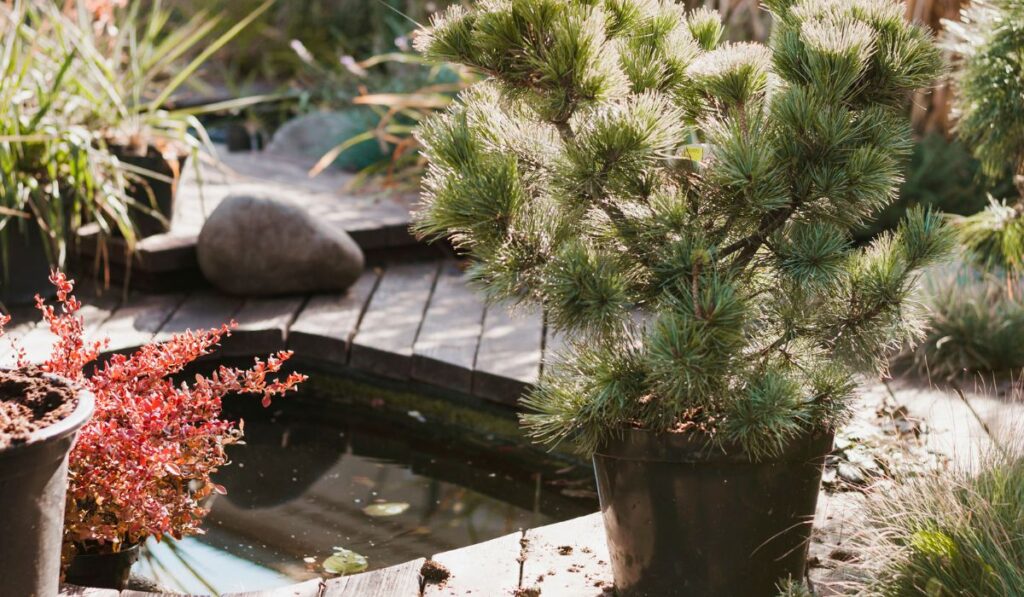
In the world of landscaping, evergreens are akin to the steadfast friends who stand by you year-round, irrespective of the season. They provide a constant splash of color when the rest of your garden has succumbed to the winter chill.
At DK Landscaping, we understand that choosing the right evergreens is crucial to ensuring your garden remains vibrant and dynamic throughout the year. Here’s a comprehensive guide to help you with your evergreen landscaping projects.
Understand Your Landscape’s Needs
Before diving into the plethora of evergreen landscaping options, it’s essential to assess the specific needs of your landscape. Consider the following:
- Climate Zone: Evergreens vary in their hardiness. Ensure the species you choose can thrive in your area’s climate.
- Soil Type: The success of an evergreen largely depends on the soil it’s planted in. Know your soil type and choose plants that will flourish in those conditions.
- Space and Size: Account for the mature size of the evergreen to ensure it fits well in your space without overcrowding.
- Sunlight: Some evergreens prefer full sun, while others thrive in partial shade. Understand the sunlight patterns in your landscape to make an informed choice.
Types of Evergreens
Evergreens come in various forms – trees, shrubs, and groundcovers. Each brings its unique aesthetic and functional qualities to your landscape.
Evergreen Trees
- Spruce (Picea spp.): With their classic Christmas tree shape, spruces are a popular choice. They offer dense foliage and can act as excellent windbreaks or privacy screens.
- Pine (Pinus spp.): Pines are known for their long, slender needles and are often used for their fast growth and stately appearance.
- Cedar (Cedrus spp.): Cedars are valued for their distinctive, often aromatic wood and rugged, shaggy appearance, adding a rustic charm to the landscape.
Evergreen Shrubs
- Boxwood (Buxus spp.): Boxwoods are versatile shrubs, perfect for creating hedges or topiaries. They’re known for their dense, bright green foliage and ease of maintenance.
- Rhododendron (Rhododendron spp.): Besides evergreen foliage, rhododendrons offer spectacular blooms, adding a splash of color to your garden in the spring.
- Holly (Ilex spp.): With their glossy leaves and bright red berries, hollies are both beautiful and great for attracting wildlife.
Evergreen Groundcovers
- Juniper (Juniperus spp.): Junipers are low-maintenance groundcovers that provide excellent erosion control on slopes and add texture to the landscape.
- Creeping Phlox (Phlox subulata): While not evergreen in the traditional sense, creeping phlox offers early spring flowers and retains its needle-like leaves year-round.
- Pachysandra (Pachysandra terminalis): This groundcover thrives in shaded areas where other plants struggle, providing a lush, green carpet.

Aesthetic Considerations
Evergreens are not just about green. They come in a spectrum of colors – from the blue-green hues of the blue spruce to the golden tips of the ‘Sunshine’ ligustrum. The texture of the foliage can also vary greatly, from the soft, feathery fronds of a fern pine to the rigid, needle-like leaves of a holly.
When selecting evergreens, consider how their color, texture, and form will complement your existing landscape. Think about how they will look during different seasons and at various times of the day.
Practical Considerations
Beyond aesthetics, evergreens serve practical purposes in a landscape:
- Privacy: Tall evergreens like arborvitae or clumping bamboo can create a natural privacy screen.
- Windbreaks: Dense evergreens can protect your home and garden from harsh winds.
- Sound Barrier: The thick foliage of evergreens can help reduce noise pollution.
- Wildlife Habitat: Many evergreens provide shelter and food for birds and other wildlife.
Evergreen Maintenance and Care
While evergreens are generally low-maintenance, they do require some care:
- Watering: Newly planted evergreens need regular watering until they’re established. Even drought-tolerant varieties may need extra water during prolonged dry spells.
- Pruning: While most evergreens require little pruning, some may benefit from occasional trimming to maintain shape and health.
- Pest and Disease Management: Be vigilant about pests and diseases. Early detection and treatment can prevent serious damage.
Making the Choice is Ultimately Up to You
When choosing evergreens for your landscape, it’s not just about picking a plant; it’s about creating an ambiance, fulfilling practical needs, and ensuring the overall health and beauty of your garden. At DK Landscaping, we believe that with the right knowledge and a thoughtful approach, you can transform your landscape into a year-round haven of tranquility and beauty.
For More Evergreen Landscaping Ideas, Contact DK Landscaping
Selecting the right evergreens is a nuanced process that involves understanding your landscape’s specific needs, the unique characteristics of different evergreens, and how they fit into the broader aesthetic and practical context of your garden. With careful consideration and a strategic approach, you can ensure that your landscape remains vibrant and dynamic throughout the year, offering a serene and inviting outdoor space that reflects your personal style and meets your practical needs.
Remember, your landscape is a living, evolving canvas, and the evergreens you choose are the strokes that define its character and beauty across seasons. Contact DK Landscaping now for help with your evergreen landscaping projects!


