

Archive for Professional Garden Landscaping
Autumn Clean-Up and Leaf Management: Turning Yard Waste into Garden Gold

As October arrives in Sonoma, Napa, and Marin counties, the landscape undergoes a dramatic and beautiful transformation. The intense heat of summer is finally a memory, the air is crisp, and the canopy of deciduous trees begins to turn brilliant shades of gold, amber, and burgundy.
However, as those beautiful leaves inevitably detach and blanket your property, they signal the beginning of one of the most labor-intensive seasons in landscaping: the autumn clean-up. For decades, the standard homeowner approach to fall clean-up has involved hours of backbreaking raking, stuffing yard waste into plastic bags, and dragging them to the curb to be hauled away to a municipal facility.
Professional horticulturalists want you to stop doing this immediately.
When you bag up your fallen leaves and throw them away, you are literally throwing away the best, most nutrient-rich, and entirely free soil amendment your property will ever produce. By shifting your perspective and learning how to properly manage this autumnal abundance, you can turn yard waste into “garden gold,” dramatically improving the health, structure, and drought resilience of your soil for years to come.
The True Value of Fallen Leaves
To understand why leaves are so valuable, you have to look at how a tree functions. Throughout the spring and summer, a tree uses its massive root system to mine deep into the subsoil, extracting essential minerals like calcium, phosphorus, magnesium, and potassium. It pulls these nutrients all the way up the trunk and stores them in the leaves to aid in photosynthesis.
When the tree drops its leaves in the fall, up to 80% of those hard-earned nutrients fall to the ground with them. In a natural forest ecosystem, nobody rakes the leaves. They fall to the forest floor, decay, and return those nutrients directly back to the tree’s root zone, creating a perfect, self-sustaining loop. When you rake those leaves and throw them in the trash, you break the loop, starving your soil and forcing yourself to buy expensive chemical fertilizers next spring to replace what you just threw away.
Mulching Mower Magic: Protecting the Turf
While leaves are fantastic for the soil, they are terrible for your lawn if left unmanaged. A thick, wet blanket of whole leaves sitting on top of your turfgrass will block vital sunlight, trap moisture, and rapidly breed fungal diseases like snow mold. It will literally suffocate the grass underneath it.
Instead of raking the lawn, the best strategy is to use a mulching mower.
-
How it works: A mulching mower uses a specialized blade that cuts the leaves into tiny, dime-sized fragments before blowing them deep down into the turf canopy.
-
The Benefit: These tiny fragments settle near the soil surface where they are rapidly consumed by earthworms and soil microbes. Within a matter of weeks, the shredded leaves decompose entirely, adding a massive boost of organic matter and nitrogen directly to the grassroots.
-
The Rule of Thumb: You can safely mulch leaves into your lawn as long as you can still see the green grass blades poking through after you mow. If the leaf drop is so heavy that the grass is entirely buried even after mowing, you will need to bag the excess.
Creating Leaf Mold for Garden Beds
If you have massive oak, maple, or liquidambar trees, a mulching mower might not be enough to handle the sheer volume of leaves. This is where your garden beds come into play.
Rake the excess leaves out of your yard and run them over with the mower to shred them, or use a dedicated leaf shredder. Once shredded, spread a 2-to-3-inch layer of this material directly over the bare soil in your perennial beds, vegetable gardens, and under the drip lines of your trees.
Over the winter, this layer will break down into “leaf mold”—a dark, crumbly, earthy-smelling substance that works miracles on Northern California clay. Leaf mold forces tightly packed clay particles apart, dramatically improving drainage and allowing oxygen to reach plant roots. More importantly, it acts like a sponge, increasing the soil’s water-holding capacity, which is vital for surviving our dry summers.
Perennial Cutbacks: What to Chop and What to Leave
October clean-up also involves managing your herbaceous perennials. As the temperatures drop, plants like hostas, peonies, and daylilies will turn yellow and die back to the ground.
-
Clean up the mush: Any foliage that turns soft, mushy, or slimy (like hostas) should be cut cleanly at the base and removed. Leaving rotting vegetation on top of the plant crown invites slugs and crown rot during the wet winter months.
-
Leave structural stems for wildlife: Do not cut back everything! Perennials with stiff, upright seed heads—like Coneflowers (Echinacea), Black-Eyed Susans (Rudbeckia), and ornamental grasses—should be left standing all winter. They provide crucial architectural interest when the rest of the garden is bare, and their seeds provide a vital winter food source for local songbirds.
Autumn clean-up is physically demanding work, and properly processing leaves requires the right commercial equipment. Let the professional crews at DK Landscaping handle the heavy lifting. We will meticulously clean your property, process your leaves into soil-building mulch, and prep your garden for a healthy winter. Contact us today to schedule your fall clean-up!
September Lawn Recovery: Repairing Summer Damage for a Greener Fall
1. Aerate Your Lawn to Relieve Compaction
2. Overseed Thin or Bare Areas
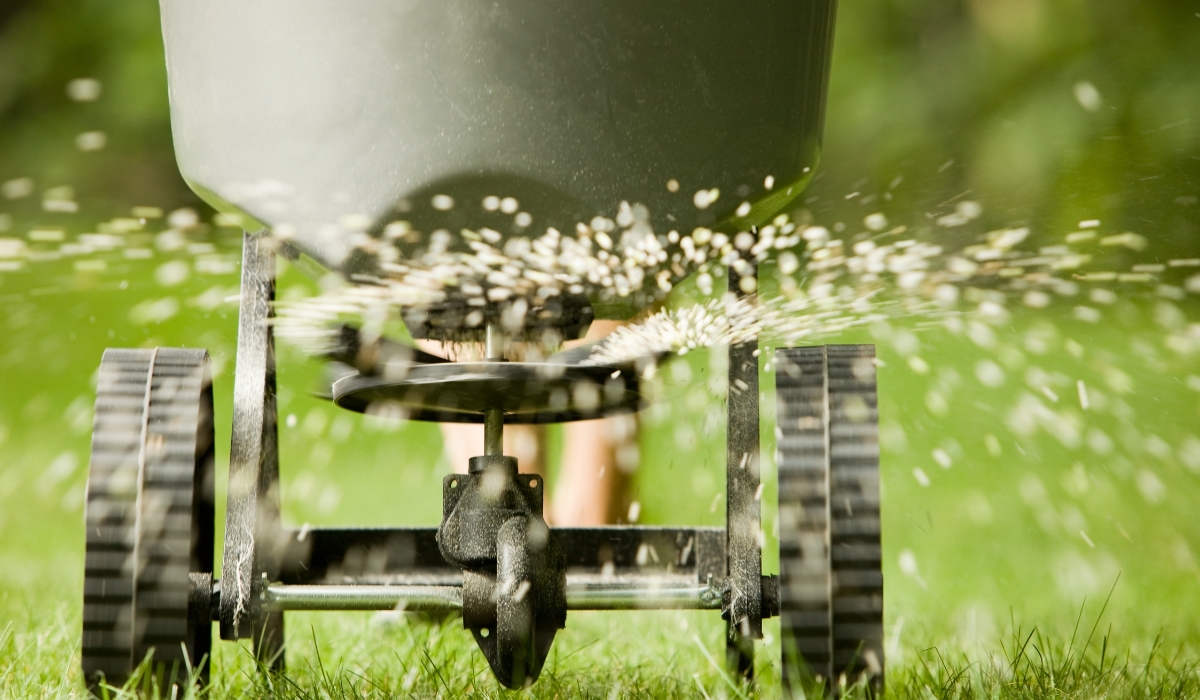
3. Feed Your Lawn for Recovery
4. Address Weeds and Thatch
5. Water Consistently During Recovery
6. Maintain Good Lawn Practices
Trust the Experts for Lasting Results
Why Fall is the Best Time to Plant Trees and Shrubs

1. Cooler Temperatures, Less Stress
2. Warm Soil Promotes Root Growth
3. Less Watering Required
4. Fewer Pests and Diseases
5. Steps for Successful Fall Planting
- Choose the Right Plant: Select species and varieties that are well-suited to your region and site conditions.
- Dig Properly: Make the hole twice as wide as the root ball, but no deeper. Loosen the soil on the sides to encourage outward root growth.
- Plant at the Correct Depth: The top of the root ball should be level with the surrounding soil.
- Backfill and Water Well: Replace the soil, gently tamping it down to remove air pockets. Water thoroughly after planting.
- Mulch: Add a 2–3 inch layer of mulch around the base (but not against the trunk) to retain moisture and regulate soil temperature.
6. Plan for Ongoing Care
Trust Your Local Experts
Designing Your Dream Spring Garden: Inspiration from DK Landscaping for March

As the landscape awakens in March, it’s the perfect time to not only tend to essential gardening tasks but also to dream and design the spring garden you’ve always envisioned. At DK Landscaping, we believe that thoughtful planning and creative inspiration are key to creating outdoor spaces that bring joy and beauty throughout the season.
This March, let’s explore some inspiring ideas and design considerations to help you craft your dream spring garden, with guidance and inspiration from the experts at DK Landscaping.
Embracing Color and Fragrance:
- Layering Spring Blooms: Create a tapestry of color by layering different spring-blooming plants with varying heights and bloom times. Start with early bloomers like daffodils and tulips, followed by mid-season favorites like irises and peonies, and then late-spring beauties like roses and foxgloves.
- Adding Fragrant Flowers: Engage your senses by incorporating fragrant spring blooms such as lilacs, hyacinths, sweet peas, and stock. Place them near walkways, patios, or windows where their delightful scents can be easily enjoyed.
- Creating Themed Color Palettes: Consider designing specific garden areas with a cohesive color palette. For example, a serene blue and white garden with forget-me-nots, white tulips, and bluebells, or a vibrant warm-toned bed with red poppies, orange calendula, and yellow daffodils.
Designing for Structure and Flow:
- Defining Garden Beds and Borders: Create clear definition between your lawn, pathways, and planting beds using edging materials like stone, brick, or metal. This adds a sense of order and visual appeal to your garden.
- Incorporating Vertical Elements: Add height and visual interest by incorporating vertical elements such as climbing roses on trellises, clematis vines on arbors, or tall flowering spires like delphiniums and snapdragons.
- Creating Pathways and Focal Points: Design inviting pathways that encourage exploration of your garden. Create focal points with striking plants, unique sculptures, or charming water features to draw the eye and add personality.
Considering Functionality and Enjoyment:
- Designing Outdoor Living Spaces: Extend your living space outdoors by creating comfortable seating areas, dining nooks, or even an outdoor kitchen. Consider the placement of these areas in relation to sunlight, shade, and prevailing winds.
- Attracting Pollinators: Design your garden with pollinators in mind by including a variety of nectar-rich flowers that attract bees, butterflies, and hummingbirds. Include native plants whenever possible.
- Creating a Cutting Garden: If you enjoy bringing fresh flowers indoors, dedicate a section of your garden to growing cut flowers like zinnias, cosmos, sunflowers, and dahlias.
Getting Started with Your Spring Garden Design:
- Assess Your Existing Space: Take a good look at your current garden, noting sunlight patterns, soil conditions, and existing plants.
- Gather Inspiration: Browse gardening books, magazines, websites, and social media platforms for ideas and inspiration that resonate with your style and local climate.
- Sketch Your Ideas: Create a rough sketch of your desired garden layout, noting the placement of different plants and features.
- Consult with the Experts: If you need help bringing your spring garden vision to life, the design team at DK Landscaping is here to provide expert advice and create a customized plan for your outdoor space.
Let DK Landscaping help you design and cultivate the spring garden of your dreams this March!
Contact us today for a consultation and let’s bring your vision to full bloom.
Spring Awakening: Essential March Gardening Tasks with DK Landscaping

Ah, March! The air is alive with the promise of new beginnings, the days are noticeably longer, and a vibrant energy returns to our California landscapes. At DK Landscaping, we eagerly anticipate this time of year, as it marks the true awakening of our gardens.
March is a bustling month for gardeners, filled with exciting opportunities to nurture new growth, plant for the season ahead, and revitalize our outdoor spaces after the quieter winter months. Let’s dive into some essential March gardening tasks to ensure your landscape flourishes this spring and beyond, courtesy of your friends at DK Landscaping.
Embracing the Burst of New Growth:
- Fertilizing for Spring Vigor: As plants emerge from dormancy and begin their active growth cycle, they benefit from a boost of nutrients. Apply a balanced, slow-release fertilizer to your lawns, trees, shrubs, and flower beds. Follow the product instructions carefully.
- Spring Pruning (Selective): Now that spring-flowering shrubs like azaleas, rhododendrons, and lilacs have finished their bloom (or are just finishing), it’s the ideal time to prune them. Prune to shape, remove dead or crossing branches, and encourage bushier growth for next year’s floral display. Avoid heavy pruning now, as you could remove developing flower buds.
- Dividing Perennials: Many perennials that have become overcrowded can be divided in early spring. This rejuvenates the plants, encourages more blooms, and allows you to expand your garden or share with friends. Look for plants with multiple crowns that can be easily separated.
Planting for a Colorful Season:
- Planting Warm-Season Vegetables: With the soil warming up, March is the perfect time to start planting many of your favorite warm-season vegetables, such as tomatoes, peppers, eggplants, zucchini, and cucumbers. Be sure to check your local frost dates and protect young plants if unexpected cold snaps occur.
- Direct Sowing Annual Flower Seeds: Sow seeds directly into your garden beds for a continuous display of colorful annual flowers like zinnias, cosmos, marigolds, and sunflowers. Choose varieties that thrive in your local climate and soil conditions.
- Planting Summer-Blooming Bulbs & Tubers: Get a head start on summer beauty by planting bulbs and tubers like gladiolus, dahlias, lilies, and cannas in March.
Lawn Care for a Lush Carpet:
- Lawn Aeration: If your lawn experienced heavy foot traffic or the soil feels compacted, consider aerating it in early March. Aeration improves air circulation, water penetration, and nutrient uptake, leading to a healthier and greener lawn.
- First Mowing & Edging: As your lawn begins to actively grow, it’s time for the first mowing of the season. Set your mower blades to a higher setting for the initial cut and maintain a consistent mowing schedule. Don’t forget to edge along walkways and garden beds for a crisp, clean look.
- Weed Control & Overseeding (if needed): Address any winter weeds that have emerged in your lawn. If your lawn is thin or patchy, early March is a good time to overseed with a suitable grass seed variety.
Ongoing Garden Maintenance:
- Continue Weed Control: Stay vigilant with weed control throughout March. Young weeds are easier to remove than established ones.
- Monitor for Pests & Diseases: As new growth emerges, keep an eye out for any signs of early pest infestations or diseases. Addressing problems promptly can prevent them from spreading.
- Watering as Needed: While spring rains are common, monitor soil moisture levels and water deeply when necessary, especially for newly planted items.
Embrace the Energy of Spring with DK Landscaping:
March is an exciting time to be a gardener in California, and DK Landscaping is here to help you make the most of this vibrant season. Whether you need assistance with spring planting, pruning, lawn care, or designing a stunning spring landscape, our experienced team is ready to bring your vision to life.
Contact DK Landscaping today to discuss your March gardening needs and let us help your garden thrive!
Love Your Landscape: Enhancing Beauty and Function in February with DK Landscaping

February, often associated with romance, is also a wonderful time to show some love to your landscape. Beyond the essential gardening tasks, this month provides an opportunity to focus on enhancing both the beauty and functionality of your outdoor spaces. At DK Landscaping, we believe a well-loved landscape contributes to your enjoyment and the overall value of your home.
Let’s explore some ways to show your landscape some extra attention this February, creating spaces you’ll adore in the seasons to come.
Adding Elements of Beauty and Ambiance:
- Consider Adding Hardscape Features: February’s milder weather can be a good time to plan and even begin smaller hardscape projects like adding a charming pathway, a decorative patio extension, or a cozy fire pit area. These features enhance the usability and visual appeal of your outdoor spaces.
- Install Outdoor Lighting: As the evenings remain a bit longer, consider adding or upgrading your outdoor lighting. Well-placed lights not only improve safety and security but also create a warm and inviting ambiance for evening enjoyment. Highlight architectural features, pathways, or favorite plants with strategically placed fixtures.
- Introduce Water Features: The gentle sound of flowing water can add a sense of tranquility and beauty to your garden. Consider installing a small fountain, a bird bath, or even a more elaborate water feature to create a focal point and attract beneficial wildlife.
- Enhance Seating Areas: Think about creating comfortable and inviting seating areas where you can relax and enjoy your garden. Add a new bench, a set of outdoor chairs, or even a hammock. Consider the views and the sun/shade patterns when choosing locations.
Focusing on Functionality and Sustainability:
- Improve Drainage: If you’ve noticed areas in your garden that tend to stay waterlogged, February is a good time to address drainage issues. Consider installing French drains or amending the soil to improve drainage and prevent root rot.
- Build or Expand Raised Beds: Raised garden beds offer numerous benefits, including improved drainage, easier access for planting and harvesting, and better soil control. February is a great time to build or expand your raised bed areas in preparation for spring planting.
- Install or Upgrade Irrigation Systems: Ensure your irrigation system is functioning efficiently. February provides an opportunity to inspect sprinkler heads, repair leaks, and adjust watering schedules in anticipation of the drier months ahead. Consider upgrading to a more water-efficient system like drip irrigation.
- Create Wildlife Habitats: Show your love for nature by creating habitats that attract beneficial insects, birds, and pollinators. Consider adding bird feeders, bird baths, and planting native flowers that provide food and shelter.
Showing Your Plants Some Love:
- Top Dress Planting Beds: Refresh your planting beds with a layer of compost or well-rotted manure. This provides a slow-release of nutrients and improves soil health.
- Mulch Thoughtfully: Ensure your plants have an adequate layer of mulch to help retain moisture, suppress weeds, and protect roots from temperature fluctuations.
- Inspect Plant Supports: Check the supports for climbing plants and make any necessary repairs or adjustments before vigorous spring growth begins.
At DK Landscaping, we’re passionate about creating outdoor spaces that you’ll truly love. Let us help you enhance the beauty and functionality of your landscape this February and beyond.
Contact DK Landscaping today to discuss your landscape enhancement projects!
Winter Blooms & Interest: Adding Beauty to Your January Landscape with DK Landscaping

While many plants take a rest during January, your California landscape doesn’t have to be devoid of color and interest. In fact, with careful selection, you can enjoy a touch of beauty and even some surprising blooms during these cooler months. At DK Landscaping, we believe that a well-designed garden offers year-round visual appeal.
This January, let’s explore some ways to add winter interest and even some pops of color to your California landscape.
Embrace Winter-Blooming Wonders:
- Camellias: These elegant shrubs are a star of the winter garden, offering stunning blooms in shades of pink, red, white, and even bi-colors. They thrive in partial shade and their glossy evergreen foliage provides year-round appeal.
- Hellebores (Lenten Roses): These resilient perennials bloom in late winter and early spring, often starting in January. Their nodding flowers come in a range of colors, including white, green, pink, and burgundy, and they are relatively low-maintenance once established.
- Winter Jasmine: This vining shrub bursts into cheerful yellow flowers on its bare branches in late winter. It’s a vigorous grower and can be trained on walls, fences, or used as a groundcover.
- Flowering Quince: Another deciduous shrub that blooms on bare branches, flowering quince offers vibrant red, pink, or white flowers in late winter to early spring. It’s also relatively drought-tolerant once established.
Focus on Evergreen Structure & Textural Interest:
Even without abundant blooms, evergreen plants provide essential structure and visual interest to the winter landscape:
- Conifers: Pines, junipers, and cypress offer a variety of shapes, sizes, and textures, adding year-round greenery and architectural interest.
- Broadleaf Evergreens: Plants like pittosporum, boxwood, and euonymus provide a backdrop of lush foliage in various shades of green and even variegated forms.
- Grasses: Many ornamental grasses retain their attractive seed heads and foliage throughout the winter, adding movement and texture to the garden.
Berries & Colorful Stems:
Some plants offer winter interest through their colorful berries or vibrant stems:
- Nandina (Heavenly Bamboo): Many varieties of Nandina display clusters of bright red berries that persist through the winter, adding a pop of color. Their foliage also often takes on reddish or purplish hues in the cooler months.
- Red Twig Dogwood: As the leaves drop, the bright red stems of this shrub become a striking feature in the winter landscape.
- California Holly (Toyon): Native to California, Toyon is adorned with clusters of bright red berries in the winter, attracting birds and adding festive color.
Don’t Forget Hardscape & Design:
- Statuary & Water Features: These elements provide year-round interest and can become more prominent in the winter landscape when foliage is less dense.
- Pathways & Patios: Well-defined hardscape elements create structure and visual flow even when plants are dormant.
At DK Landscaping, we can help you select and incorporate plants that provide beauty and interest to your California garden throughout the winter months. Let us design a landscape that delights you in every season.
Contact DK Landscaping today for a consultation and discover the beauty of a winter garden!
Creating a Pollinator Paradise: Plants That Attract Bees and Butterflies in Rohnert Park, California

Transforming your garden into a haven for pollinators not only contributes to the local ecosystem’s health but also brings life and beauty to your yard. For residents of Rohnert Park, California, fostering a landscape that invites bees and butterflies is both a rewarding endeavor and a step toward sustainability. Here’s how you can create your own pollinator paradise with plants ideally suited for our climate and region.
Why Focus on Pollinators?
Pollinators like bees and butterflies are essential to the propagation of many plants and crops. By attracting these beneficial insects, you’re helping to support biodiversity, which is crucial for ecological balance. Plus, watching these creatures flit from flower to flower adds an element of dynamic beauty to your garden.
Choosing the Right Plants
Selecting native plants that thrive in the Rohnert Park area ensures lower maintenance, better survival rates, and a natural appeal to local pollinators. Here are some top choices to consider:
1. California Poppy (Eschscholzia californica) – This state flower is not only vibrant and drought-tolerant but also a favorite among bees. Its golden blooms add a splash of color to any garden from early spring through fall.
2. Lavender (Lavandula) – With its soothing fragrance and lovely purple spikes, lavender is irresistible to bees and butterflies. It’s also drought-resistant, making it ideal for California gardens.
3. Sage (Salvia) – There are several native sages to choose from, like Cleveland sage (Salvia clevelandii), which is highly aromatic and attracts a variety of bees and hummingbirds.
4. Manzanita (Arctostaphylos) – Early blooming manzanita provides nectar and pollen during late winter and early spring, a crucial time for many pollinators.
5. Milkweed (Asclepias spp.) – As the breeding ground for monarch butterflies, milkweed is essential for their lifecycle. It’s a must-have for any butterfly garden.
6. Sunflower (Helianthus annuus) – Bees love sunflowers, and their large, bold faces are a cheerful addition to any setting.
7. Penstemon – With their tubular flowers, penstemons are particularly attractive to hummingbirds and butterflies.
Design Tips for Pollinator Gardens
- Group Similar Plants Together: Clusters of the same plant species are more likely to attract pollinators than single plants scattered throughout the landscape.
- Provide a Water Source: A simple birdbath or even a shallow dish with rocks and water can provide pollinators with the hydration they need.
- Avoid Pesticides: Chemicals can harm the very creatures you’re trying to attract. Opt for organic pest control methods to keep your garden safe for pollinators.
- Incorporate Year-Round Blooms: Choose a variety of plants that bloom at different times throughout the year to provide a constant food source for bees and butterflies.
The Bigger Picture
By creating a pollinator-friendly garden, you’re contributing to the preservation of local wildlife and promoting ecological diversity. The beauty of such a garden is that it’s not only a sanctuary for pollinators but also a tranquil retreat for you and your family.
At DK Landscaping, we are committed to helping Rohnert Park residents create beautiful, sustainable landscapes. Contact us today to learn more about planting a pollinator paradise in your backyard, and let’s make a positive impact together!
The Benefits of Professional Landscaping on Property Value in California

In California, where the climate and outdoor lifestyle play a significant role in everyday life, the appeal of a well-maintained landscape cannot be overstated. Whether you’re in bustling cities like Los Angeles, charming coastal towns, or the serene suburbs of Rohnert Park, professional landscaping offers more than just aesthetic enhancement. It significantly boosts property value and has a profound impact on curb appeal. Here’s a deeper look at how professional landscaping can be a wise investment for California homeowners.
Enhanced Curb Appeal
First impressions are crucial, and the exterior of your home is the first thing potential buyers see. A professionally landscaped property with lush greenery, balanced designs, and vibrant colors instantly boosts curb appeal, making your home stand out in the market. Well-chosen plants and hardscape elements that complement the architectural style of your home can create a compelling first impression that increases overall marketability.
Increased Property Value
Studies have shown that professional landscaping can increase a property’s value by up to 15%. In California’s competitive real estate market, this can translate to a significant return on investment. The aesthetic and functional improvements made through landscaping not only add immediate value but also contribute to long-term property appreciation.
Cost-Effective Renovations
Compared to other home renovations like kitchen remodels or adding a swimming pool, landscaping is a cost-effective way to enhance property value. The modifications can be as simple as adding flower beds, installing a new lawn, or as elaborate as creating outdoor living spaces with kitchens and fire pits. Each project can be tailored to fit a variety of budgets and still yield high returns.
Reduced Time on Market
A well-landscaped property not only attracts more buyers but can also lead to a quicker sale. Homes with mature gardens and thoughtful layouts tend to sell faster than their barren counterparts. This is particularly important in markets where the speed of sale can be as critical as the sale price.
Improved Energy Efficiency
Professional landscaping can also improve the energy efficiency of your home. Proper placement of trees and shrubs can provide shade during the hot California summers, reducing the need for air conditioning. Additionally, greenery can act as a windbreak and insulate the home during cooler months, reducing heating costs.
Eco-Friendly Benefits
In a state that values sustainability, professional landscaping using native plants and eco-friendly practices can also appeal to environmentally conscious buyers. Techniques such as xeriscaping, efficient irrigation systems, and the use of mulch contribute to a landscape that requires less water and maintenance, which is particularly appealing in drought-prone areas like California.
Aesthetic and Functional Harmony
A professional landscaper can strategically design your outdoor space to balance aesthetics with functionality. This means creating spaces that are not only beautiful but also usable, such as outdoor seating areas, vegetable gardens, and pathways that enhance the living experience and appeal to a broader range of buyers.
Partner with DK Landscaping
At DK Landscaping, we understand the unique climatic and cultural nuances of landscaping in California. We are committed to transforming your outdoor spaces in ways that not only reflect your personal style but also maximize your property’s value and appeal. Contact us today to learn how our expert services can enhance your property in Rohnert Park and beyond, setting the stage for a rewarding and profitable sale.
10 Winter Landscaping Tips to Enhance Your Garden

As the brisk air of winter approaches, many assume that landscaping and garden beautification go into hibernation. However, at DK Landscaping, we believe that the colder months offer a unique opportunity to transform your garden into a serene winter wonderland.
With the right strategies and a touch of creativity, you can ensure your outdoor space remains a vibrant, inviting oasis even in the heart of winter. Here are some invaluable winter landscaping tips to enhance your garden.
1. Plan with Evergreens
Evergreen plants are the backbone of a winter garden. Unlike their deciduous counterparts, evergreens retain their leaves all year, providing your garden with continuous color and structure. Incorporating a variety of evergreens can add texture and depth to your landscape. Consider planting evergreen shrubs like holly, boxwood, or rhododendrons, which not only hold their foliage but also offer bright berries or flowers.
2. Embrace Winter Blooms
Believe it or not, some plants thrive in the chill of winter and can bring a splash of color to an otherwise dormant garden. Witch hazel, winter jasmine, and hellebores are known for their ability to bloom in colder temperatures. These winter warriors can break the monotony of a snow-covered garden and are a surefire way to keep your landscaping visually interesting.
3. Focus on Bark and Branches
Winter reveals the underlying structure of your garden, and this can be used to your advantage. Trees and shrubs with distinctive bark or interesting branch patterns can become the focal points of your winter landscape. The peeling cinnamon bark of the paperbark maple or the stark, white bark of the birch tree can add drama and intrigue. Similarly, the twisted branches of a corkscrew hazel can provide an architectural element that is especially striking when dusted with snow.
4. Utilize Hardscaping Elements
Hardscaping—the non-living elements of your landscape like stone walls, patios, and sculptures—becomes particularly prominent in winter. These elements provide structure and continuity when most plants are dormant. Consider adding a stone bench, an arbor, or a garden sculpture to create interest and provide a focal point in your winter garden.
5. Attract Wildlife
Winter can be a tough time for wildlife, so incorporating elements that provide food and shelter can bring your garden to life with the presence of birds and other animals. Berry-producing plants like crabapples or hawthorns can serve as a food source, while birdhouses and feeders can offer shelter and sustenance. Not only does this help the local wildlife, but it also adds a dynamic element to your winter landscape.

6. Illuminate the Beauty
With the days getting shorter, lighting becomes a crucial element of winter landscaping. A well-thought-out lighting scheme can make your garden inviting after dark, highlighting key features and creating a warm ambiance. Use spotlights to accentuate trees or garden structures, and consider path lights for safety and visual interest.
7. Protect Your Plants
Some plants need a little extra help to get through the winter. Mulching can protect plant roots from freezing temperatures and help retain moisture. Wrap delicate shrubs or young trees with burlap to shield them from wind and heavy snow. Remember to gently brush off heavy snow from branches to prevent damage.
8. Incorporate Seasonal Decor
Embrace the season by adding winter-themed decor to your garden. A wreath on the garden gate, a display of evergreen boughs, or a collection of decorative snowmen can make your garden feel festive and inviting. Just be sure to choose decor that can withstand the elements and complement your overall landscape design.
9. Plan for Spring
Winter is the perfect time to plan your garden for the upcoming year. Assess your landscape, noting what worked and what didn’t. Use this time to research new plants and landscaping ideas, and start planning any major projects or renovations. This way, when spring arrives, you’ll be ready to bring your vision to life.
10. Take Care of Garden Tools
Finally, winter is an ideal time to maintain your gardening tools. Clean, sharpen, and oil your tools so they’re ready for spring. Take care of any repairs, and organize your garden shed or storage area. Proper tool maintenance not only prolongs the life of your equipment but also ensures you’re ready to get back to work when the warmer weather returns.
Contact DK Landscaping for More Winter Landscaping Tips
As the winter months unfold, remember that your garden is not just a summer space. With these tips from DK Landscaping, you can create a stunning winter landscape that is both beautiful and functional.
By embracing the unique elements of the season, protecting your plants, and planning for the future, you can ensure that your garden is a year-round retreat. To have us help you create an outdoor oasis of your dreams no matter what season, contact DK Landscaping and let our experts help!
Now, bundle up, step outside, and start seeing the chilly months in a whole new light. Your winter wonderland awaits!


