

Posts Tagged water-wise garden
Selecting Heat-Tolerant Plants for Sonoma and Napa Summers
If you have spent any time walking through your garden in mid-July, you have likely noticed a clear divide. Some plants—like traditional hydrangeas, hostas, and thirsty turfgrass—look exhausted, scorched, and utterly miserable despite your best watering efforts. Meanwhile, other plants in the exact same yard look vibrant, structural, and completely unbothered by the 95-degree heat.
The secret to a landscape that looks incredible in July and August isn’t spending hours with a garden hose; it is choosing the right genetic material from the start. If you are tired of fighting the climate and replacing scorched plants every fall, it is time to transition your Sonoma or Napa County property toward heat-tolerant, drought-resistant species.
The Mediterranean Climate Advantage
We live in one of the few true Mediterranean climates on the planet. This means our region experiences cool, wet winters and long, hot, entirely dry summers. The smartest landscaping strategy is to select plants that have naturally evolved in similar climates around the world—places like the Mediterranean Basin, South Africa, parts of Australia, and central Chile.
These plants have developed incredible natural defenses against intense UV rays and prolonged drought. They feature waxy leaves to seal in moisture, silver foliage to reflect sunlight, and deep taproots to mine for subterranean water.
While July is generally too hot to plant new specimens (it is best to wait for the “Second Spring” of September and October to put new roots in the ground), right now is the absolute best time to observe your yard, see what is failing, and plan your heat-tolerant replacements.
Top Heat-Tolerant Superstars for Northern California
Here is a curated list of spectacular, high-performing plants that thrive when the heat peaks in Northern California.
1. Aromatic Mediterranean Shrubs These plants offer year-round structure, require very little water once established, and release intoxicating fragrances when the sun hits their foliage.
-
Lavender (Lavandula): Both English and Spanish varieties are bomb-proof in our climate. They love baking sun, despise wet feet, and provide brilliant purple blooms that pollinators adore.
-
Rosemary (Salvia rosmarinus): Whether you choose an upright architectural variety (like ‘Tuscan Blue’) or a cascading groundcover (like ‘Prostratus’), rosemary provides dark, evergreen structure and requires virtually zero summer irrigation.
-
Rock Rose (Cistus): A rugged, evergreen shrub that produces tissue-paper-like flowers in pinks and whites. It actively thrives in poor, rocky soil and intense heat.
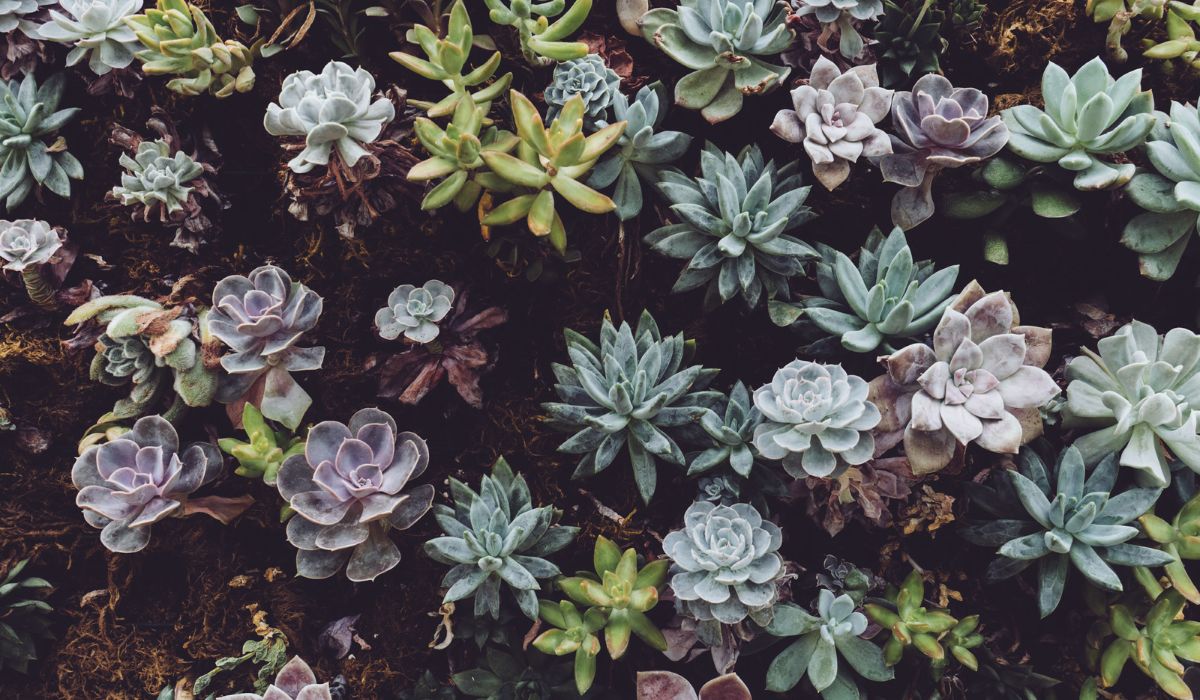
2. Succulents and Structural Accents Succulents store their own water reservoirs in their fleshy leaves and stems, making them the ultimate drought defenders.
-
Agave and Aloe: These provide massive architectural impact. Their striking, rigid rosettes serve as modern focal points in a garden bed, creating stunning contrast when paired with softer, flowing plants.
-
Sedums and Sempervivums: Perfect for rock gardens, border edges, or shallow containers that bake in the afternoon sun. They provide rich textures and colors ranging from lime green to deep burgundy.
3. Movement and Texture: Ornamental Grasses Ornamental grasses catch the evening summer breezes, adding life, movement, and a soft auditory rustle to the landscape.
-
Blue Oat Grass (Helictotrichon sempervirens): Forms a perfect, spiky dome of icy blue foliage that looks incredible when planted in sweeping drifts.
-
Mexican Feather Grass (Nassella tenuissima): Creates a soft, rolling, golden aesthetic that glows beautifully in the late afternoon summer sun. (Be sure to check local invasiveness guidelines, or substitute with native Deergrass, Muhlenbergia rigens).
4. Colorful Summer Perennials You don’t have to sacrifice color to save water. These perennials hit their blooming stride right when the heat is at its worst.
-
Yarrow (Achillea): A California native that produces flat, umbrella-like clusters of flowers in yellows, pinks, and reds. It loves the heat and is highly resistant to deer.
-
Russian Sage (Perovskia atriplicifolia): Features silvery foliage and clouds of lavender-blue flowers. It thrives in the hottest, driest spots of your yard and requires almost no maintenance.
-
Lantana: A low-growing, spreading perennial that blooms non-stop from spring until the first frost, offering clusters of vibrant orange, yellow, and magenta flowers.
Planning Your Landscape Renovation
If your July garden is leaving you frustrated, don’t rush to the nursery just yet. Take notes, take photos of the empty or struggling spots in your yard, and start building your plant list now. By the time the cooler planting window of autumn arrives, you will have a comprehensive plan to transform your thirsty, struggling yard into a resilient, heat-loving oasis.
Ready to rethink your landscape? The design team at DK Landscaping specializes in breathtaking, drought-tolerant environments tailored to the Sonoma, Napa, and Marin climates. Contact us today to start planning your fall renovation!
Beat the Heat: Smart Watering Strategies for Your May Landscape
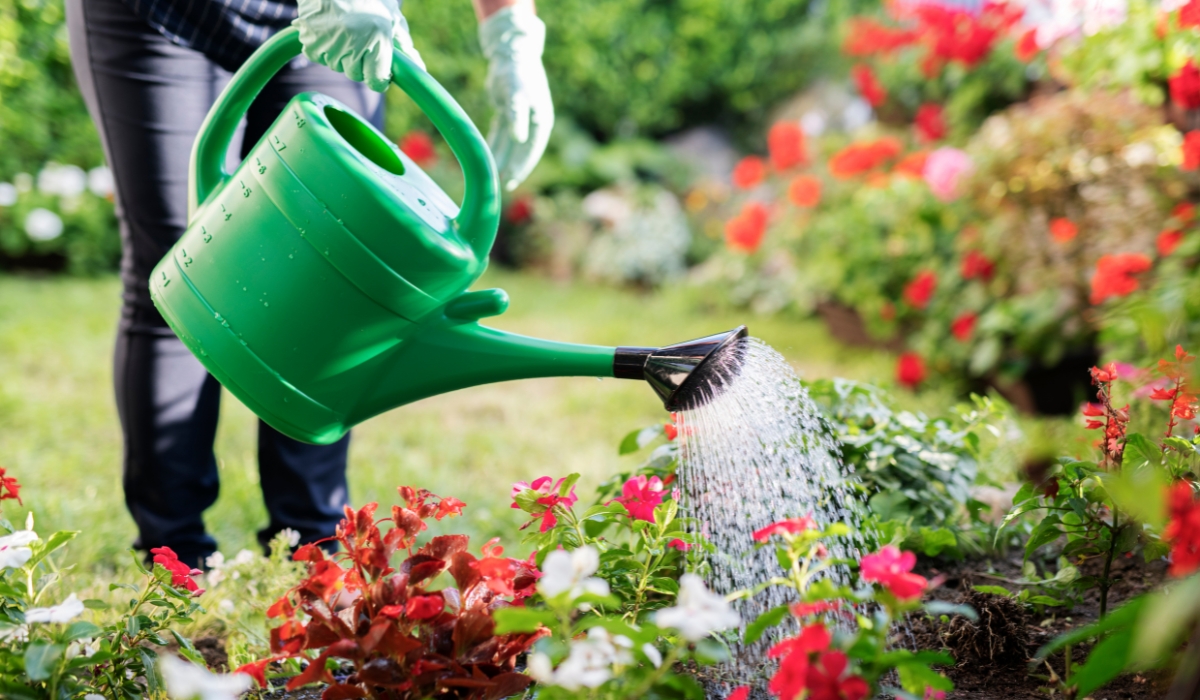
As May arrives in California, so do the steadily rising temperatures. While we all love the sunshine, our gardens start to feel the heat, making smart watering more crucial than ever. At DK Landscaping, we’re committed to helping you maintain a healthy, vibrant landscape while conserving our precious water resources. Here’s how to water smarter, not harder, this May.
The Golden Rule: Water Deeply and Infrequently
Instead of frequent, shallow watering, train your plants to develop deep root systems by watering deeply but less often. This encourages roots to reach further down for moisture, making your plants more resilient to drought and heat stress. For most established trees and shrubs, aim for once a week, or even less for drought-tolerant natives, ensuring the water penetrates at least 18 inches into the soil.
Precision Matters: Embrace Drip Irrigation
If you haven’t already, consider installing or expanding your drip irrigation system. Unlike traditional sprinklers that lose a significant amount of water to evaporation and runoff, drip irrigation delivers water directly to the plant’s root zone, minimizing waste. This targeted approach can improve water use efficiency by 20-50%, fostering healthier plants with deeper root systems. For optimal results, ensure multiple emitters are placed around larger plants to encourage a wider root spread, rather than a single point source.
The Best Time to Water: Timing is Everything
When the sun is high and winds are strong, evaporation rates soar. The best time to water your California landscape in May is in the early morning, ideally between sunset and sunrise, or before 9:00 AM. This allows the water to soak into the soil before the heat of the day causes it to evaporate, and minimizes the risk of fungal issues that can arise from wet foliage overnight in humid conditions. Watering during the middle of the day can lead to a 30% increase in water required due to evaporation.
Harnessing Technology: Smart Controllers
Take the guesswork out of watering with a smart irrigation controller. These innovative devices use local weather data (like temperature, humidity, and rainfall) or even soil moisture sensors to automatically adjust your watering schedule. This means your system will only water when your plants truly need it, preventing overwatering and significant water waste. Many smart controllers are also eligible for local rebates, making them a wise investment for both your wallet and the environment.
Beyond Irrigation: Supplementary Tips
- Mulch, Mulch, Mulch: A 2-3 inch layer of organic mulch around your plants significantly reduces soil moisture evaporation and suppresses weeds that compete for water.
- Group Similar Needs: Place plants with similar water requirements together in “hydrozones” to optimize your irrigation schedule.
- Check for Leaks: Regularly inspect your irrigation system for any leaks or broken sprinkler heads. Even a small leak can waste hundreds of gallons of water.
- Prioritize: If water restrictions are in place, prioritize watering valuable trees and shrubs over annuals or lawns, as they are more difficult and costly to replace.
By implementing these smart watering strategies this May, you’ll not only keep your California landscape looking its best but also contribute to vital water conservation efforts. For personalized advice and professional irrigation solutions, don’t hesitate to reach out to DK Landscaping – we’re here to help your garden flourish responsibly.


