

Posts Tagged September lawn care
September Lawn Recovery: Repairing Summer Damage for a Greener Fall
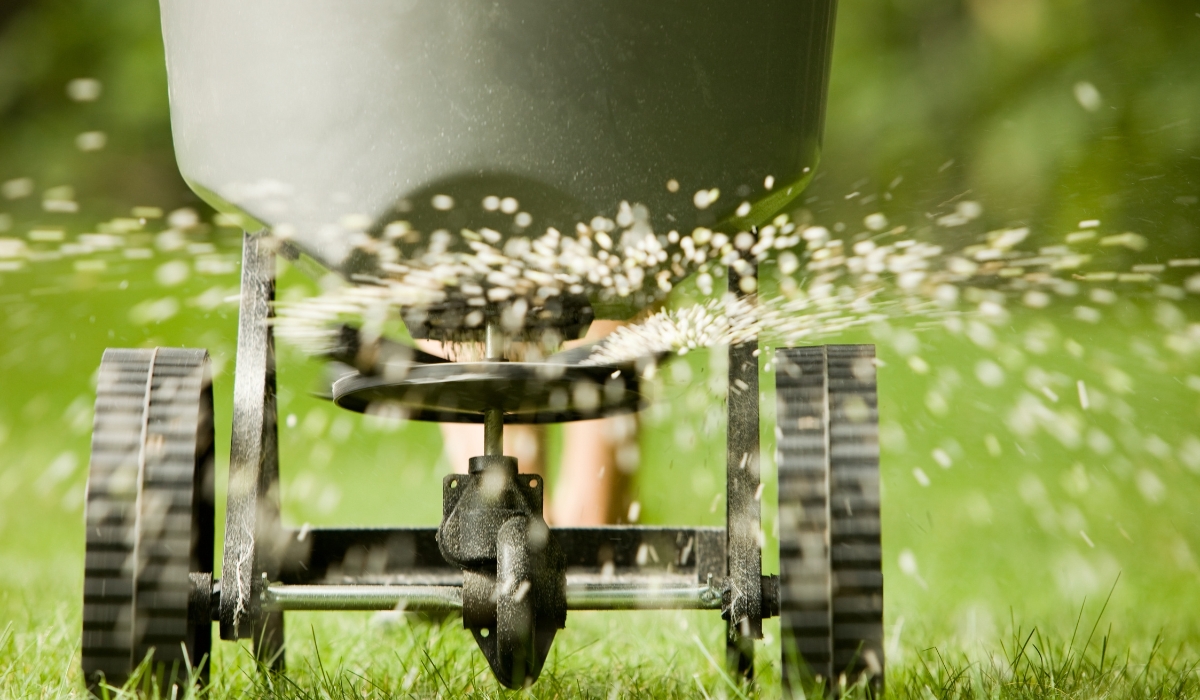
After a long, hot summer, many lawns show signs of stress—thin patches, brown spots, and weeds that seem to pop up overnight. September is the perfect time to revive your turf and set the stage for a lush, healthy lawn that thrives through fall and returns strong next spring. With the right recovery strategies, you can repair summer damage and enjoy a greener, more resilient yard.
1. Aerate Your Lawn to Relieve Compaction
Heavy foot traffic, summer heat, and drought can all lead to compacted soil. Compaction makes it difficult for water, air, and nutrients to reach grass roots. Core aeration—removing small plugs of soil from the lawn—opens up the ground, allowing roots to breathe and absorb what they need to recover. You can rent an aerator or hire a professional for best results.
2. Overseed Thin or Bare Areas
Overseeding is the process of spreading grass seed over existing turf to fill in thin spots and improve density. September’s cooler temperatures and increased moisture make it ideal for seed germination. Choose a grass variety suited to your region and lawn type for the best results. After aerating, overseed immediately, then lightly rake and water well to ensure good seed-to-soil contact.
3. Feed Your Lawn for Recovery
A slow-release, high-nitrogen fertilizer applied in early fall gives grass the nutrients it needs to bounce back from summer stress and build strong roots for winter. Follow product instructions carefully, and avoid over-fertilizing, which can burn grass and encourage disease.
4. Address Weeds and Thatch
Weeds often take advantage of weakened lawns. Spot-treat problem areas with a selective herbicide or hand-pull weeds to reduce competition for water and nutrients. If your lawn has a thick layer of thatch (more than half an inch), dethatching may be necessary. Thatch can block water and fertilizer from reaching the soil, so removing it allows your lawn to recover more effectively.
5. Water Consistently During Recovery
New seed and recovering grass need consistent moisture to thrive. Water deeply and regularly for the first few weeks after overseeding and fertilizing—usually about 2–3 times per week, depending on weather. Early morning is the best time to water, as it helps prevent disease and maximizes absorption.
6. Maintain Good Lawn Practices
Continue to mow at a higher setting (about 3 inches) and keep mower blades sharp to reduce stress on new and recovering grass. Avoid heavy foot traffic on newly seeded areas until the grass is well established.
Trust the Experts for Lasting Results
September recovery efforts can make a dramatic difference in your lawn’s health and appearance. If you’re not sure where to start or want professional results, DK Landscaping offers comprehensive lawn recovery services—from aeration and overseeding to fertilization and weed control. Let us help you restore your lawn to its full, green potential this fall.


