

Posts Tagged landscape renovation
The Second Spring: Why Fall is the Absolute Best Time to Plant Trees and Shrubs
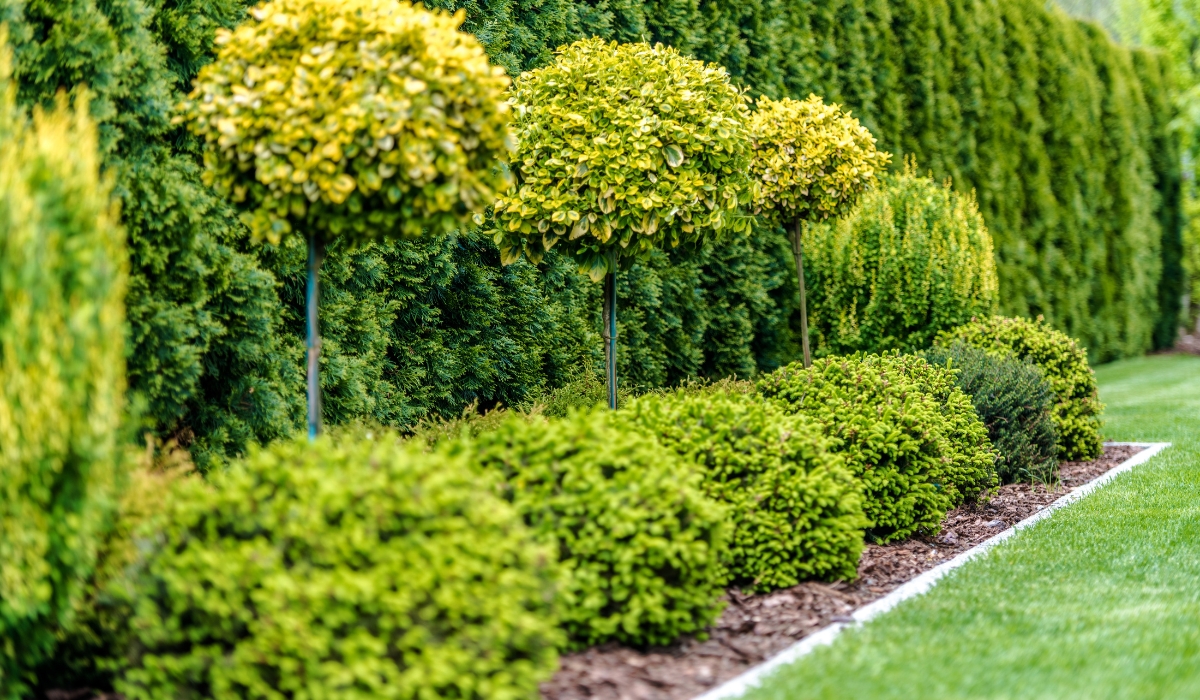
If you walk into any big-box home improvement store in April, you will be overwhelmed by towering displays of fertilizer, endless rows of blooming flowers, and massive marketing campaigns telling you that spring is the ultimate time to plant. Because of this, the vast majority of homeowners in Sonoma, Napa, and Marin counties believe they have missed their window if they don’t get their new trees and shrubs in the ground before Memorial Day.
However, professional horticulturalists and landscape designers know a closely guarded secret about our unique Northern California climate: Spring is actually the second best time to plant.
The absolute best time to fundamentally transform your landscape, install large structural trees, and plant perennial shrubs is right now, during the months of September and October. In the landscaping industry, we refer to this golden window as the “Second Spring.” Understanding why fall planting is so successful is the key to building a resilient, fast-growing, and drought-tolerant landscape.
The Science of Fall Planting: Warm Soil, Cool Air
To understand why fall planting is superior, you have to look at what a plant experiences when it is taken out of its plastic nursery pot and placed into the ground.
When you plant in May, the soil is still relatively cool from winter, but the air temperature is rapidly rising. As the summer sun beats down on the tender new foliage, the plant desperately tries to pull water from its roots to cool itself. However, because the plant was just put in the ground, its root system is still confined to the exact shape of its nursery pot. It hasn’t had time to spread out into the surrounding soil. This leads to massive transplant shock, requiring you to water the plant constantly just to keep it on life support through August.
When you plant in September, the dynamic is completely reversed.
-
The Air is Cooling: The intense, scorching heat of summer is finally breaking, and the days are getting noticeably shorter. The plant’s leaves are no longer under severe physiological stress from the sun, meaning the plant stops focusing its energy on canopy growth and cooling.
-
The Soil is Baking Hot: While the air is cooling down, the soil underground has been absorbing solar radiation for the last four months. The soil is incredibly warm.
This combination—cool air and warm soil—triggers a biological reaction in trees and shrubs. The plant stops growing new leaves above ground and instead pumps 100% of its stored energy into explosive root growth beneath the surface.
The Winter Rain Advantage
By planting in September, you give your new trees and shrubs a massive head start. They spend all of October and November rapidly pushing their roots deep into the warm soil.
Then, the Northern California winter arrives. As the atmospheric rivers and seasonal rains begin to fall, your new plants receive months of deep, slow, perfectly timed irrigation entirely courtesy of Mother Nature. Because the roots are already established from their fall planting, they drink in this winter moisture, anchoring themselves even deeper into the subsoil.
When actual spring arrives the following year, a fall-planted shrub will completely outpace a spring-planted shrub. The fall-planted specimen already has a massive, established root system ready to support a spectacular flush of new leaves and spring flowers, while the spring-planted specimen is still just trying to survive the shock of being moved.
What to Plant During the Second Spring
September is the ideal time to plant almost any permanent landscape feature, with a few notable exceptions (wait until late winter for bare-root fruit trees and dormant roses).
1. California Natives This is the holy grail window for planting native species like Ceanothus, Manzanita, Toyon, and native Salvias. Because these plants despise summer irrigation once established, planting them in the fall allows them to settle in using natural winter rains, perfectly mimicking their evolutionary life cycle.
2. Structural Evergreens and Hedges If you are planning to install a privacy screen of Podocarpus, Laurel, or Boxwood, doing it now ensures the hedge will be pushing strong, unified growth by next summer.
3. Drought-Tolerant Mediterranean Shrubs Rosemary, Lavender, Rock Rose, and ornamental grasses all benefit massively from fall root establishment. They will enter next summer’s heatwave deeply anchored and highly resilient.
The Rules of Fall Planting
While fall is the best time to plant, you still have to do it correctly.
-
Dig Wide, Not Deep: Dig your planting hole two to three times as wide as the nursery pot, but exactly the same depth. If you dig too deep, the plant will sink over the winter, burying the crown in wet soil and inviting crown rot.
-
Skip the Heavy Amendments: Especially when planting natives or Mediterranean plants, avoid filling the hole with rich, loamy compost. Plants need to learn to survive in your native site soil. If you create a “teacup” of rich potting soil surrounded by dense clay, the roots will never leave the hole, and the plant will eventually drown.
-
Water Deeply: Even though the weather is cooling down, newly planted specimens still require deep, soaking irrigation for their first few weeks in the ground until the winter rains take over.
Ready to take advantage of the Second Spring? The design and installation teams at DK Landscaping are actively booking fall landscape renovations across Sonoma, Napa, and Marin counties. Let us help you select and install the perfect plants for a thriving, drought-resilient property. Contact us today to schedule your consultation!
Selecting Heat-Tolerant Plants for Sonoma and Napa Summers
If you have spent any time walking through your garden in mid-July, you have likely noticed a clear divide. Some plants—like traditional hydrangeas, hostas, and thirsty turfgrass—look exhausted, scorched, and utterly miserable despite your best watering efforts. Meanwhile, other plants in the exact same yard look vibrant, structural, and completely unbothered by the 95-degree heat.
The secret to a landscape that looks incredible in July and August isn’t spending hours with a garden hose; it is choosing the right genetic material from the start. If you are tired of fighting the climate and replacing scorched plants every fall, it is time to transition your Sonoma or Napa County property toward heat-tolerant, drought-resistant species.
The Mediterranean Climate Advantage
We live in one of the few true Mediterranean climates on the planet. This means our region experiences cool, wet winters and long, hot, entirely dry summers. The smartest landscaping strategy is to select plants that have naturally evolved in similar climates around the world—places like the Mediterranean Basin, South Africa, parts of Australia, and central Chile.
These plants have developed incredible natural defenses against intense UV rays and prolonged drought. They feature waxy leaves to seal in moisture, silver foliage to reflect sunlight, and deep taproots to mine for subterranean water.
While July is generally too hot to plant new specimens (it is best to wait for the “Second Spring” of September and October to put new roots in the ground), right now is the absolute best time to observe your yard, see what is failing, and plan your heat-tolerant replacements.
Top Heat-Tolerant Superstars for Northern California
Here is a curated list of spectacular, high-performing plants that thrive when the heat peaks in Northern California.
1. Aromatic Mediterranean Shrubs These plants offer year-round structure, require very little water once established, and release intoxicating fragrances when the sun hits their foliage.
-
Lavender (Lavandula): Both English and Spanish varieties are bomb-proof in our climate. They love baking sun, despise wet feet, and provide brilliant purple blooms that pollinators adore.
-
Rosemary (Salvia rosmarinus): Whether you choose an upright architectural variety (like ‘Tuscan Blue’) or a cascading groundcover (like ‘Prostratus’), rosemary provides dark, evergreen structure and requires virtually zero summer irrigation.
-
Rock Rose (Cistus): A rugged, evergreen shrub that produces tissue-paper-like flowers in pinks and whites. It actively thrives in poor, rocky soil and intense heat.
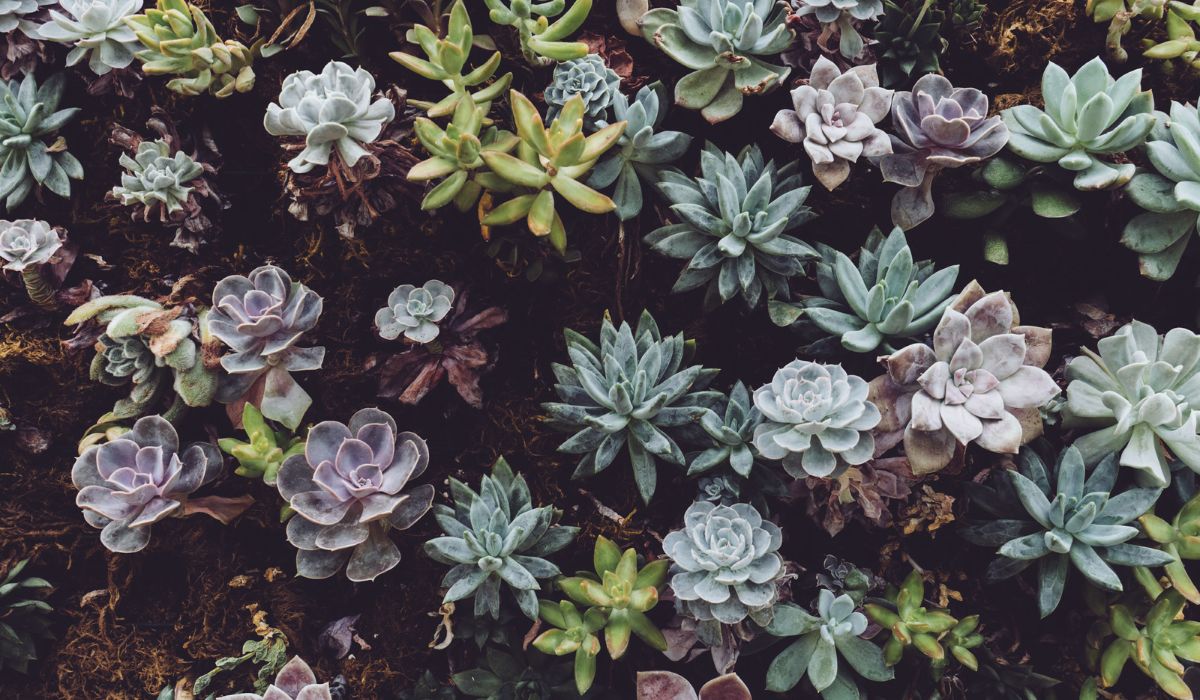
2. Succulents and Structural Accents Succulents store their own water reservoirs in their fleshy leaves and stems, making them the ultimate drought defenders.
-
Agave and Aloe: These provide massive architectural impact. Their striking, rigid rosettes serve as modern focal points in a garden bed, creating stunning contrast when paired with softer, flowing plants.
-
Sedums and Sempervivums: Perfect for rock gardens, border edges, or shallow containers that bake in the afternoon sun. They provide rich textures and colors ranging from lime green to deep burgundy.
3. Movement and Texture: Ornamental Grasses Ornamental grasses catch the evening summer breezes, adding life, movement, and a soft auditory rustle to the landscape.
-
Blue Oat Grass (Helictotrichon sempervirens): Forms a perfect, spiky dome of icy blue foliage that looks incredible when planted in sweeping drifts.
-
Mexican Feather Grass (Nassella tenuissima): Creates a soft, rolling, golden aesthetic that glows beautifully in the late afternoon summer sun. (Be sure to check local invasiveness guidelines, or substitute with native Deergrass, Muhlenbergia rigens).
4. Colorful Summer Perennials You don’t have to sacrifice color to save water. These perennials hit their blooming stride right when the heat is at its worst.
-
Yarrow (Achillea): A California native that produces flat, umbrella-like clusters of flowers in yellows, pinks, and reds. It loves the heat and is highly resistant to deer.
-
Russian Sage (Perovskia atriplicifolia): Features silvery foliage and clouds of lavender-blue flowers. It thrives in the hottest, driest spots of your yard and requires almost no maintenance.
-
Lantana: A low-growing, spreading perennial that blooms non-stop from spring until the first frost, offering clusters of vibrant orange, yellow, and magenta flowers.
Planning Your Landscape Renovation
If your July garden is leaving you frustrated, don’t rush to the nursery just yet. Take notes, take photos of the empty or struggling spots in your yard, and start building your plant list now. By the time the cooler planting window of autumn arrives, you will have a comprehensive plan to transform your thirsty, struggling yard into a resilient, heat-loving oasis.
Ready to rethink your landscape? The design team at DK Landscaping specializes in breathtaking, drought-tolerant environments tailored to the Sonoma, Napa, and Marin climates. Contact us today to start planning your fall renovation!


