

Posts Tagged cool-season annuals
Putting Your Garden to Bed: Essential Fall Winterization Steps

When autumn leaves begin to drop and morning temperatures take on a crisp edge, your landscape requires a deliberate shift in maintenance. November is the ideal time to clean the slate and set your soil up for success before heavy winter rains arrive.
1. Perform a Thorough Deep Clean
Just like a thorough indoor house cleaning, your garden needs a clean slate heading into winter.
-
Clear out spent summer annuals and weed your garden beds thoroughly.
-
Remove accumulated debris and fallen leaves from the crowns of sensitive perennials.
-
Why it matters: Leaving decaying organic matter piled directly against plant stems invites fungal diseases, slugs, and overwintering insect pests. (Healthy, disease-free leaves can be chopped and saved for your compost pile).
2. Apply a Protective Blanket of Mulch
If there is one golden rule for winterizing a Northern California landscape, it is mastering mulch. A 2-to-3-inch layer of organic mulch acts as a natural thermal blanket for your soil.
-
It insulates delicate root systems against sudden temperature drops.
-
It prevents heavy winter rains from compacting the topsoil and washing away vital nutrients.
-
It suppresses winter weed germination.
-
Pro Tip: Always keep mulch a couple of inches away from the direct trunks of trees and shrubs to prevent collar rot and moisture buildup.
3. Make Smart Irrigation Adjustments
With shorter days and increased chances of seasonal rainfall, your landscape’s water needs drop dramatically. Leaving automatic sprinkler timers on a summer schedule during late autumn is a recipe for root rot and wasted water.
-
Scale back your irrigation frequency and duration significantly.
-
Inspect your smart controller or rain sensor to ensure it responds accurately to local precipitation.
-
Water deeply but much less often to encourage root systems to stay anchored deep underground.
Ready to trade hours of weekend yard work for professional results? The team at DK Landscaping specializes in sustainable, seasonal landscape maintenance across Sonoma, Napa, and Marin counties. Contact us today for a consultation!
Planting for Spring: Bulbs and Cool-Season Annuals to Add in October
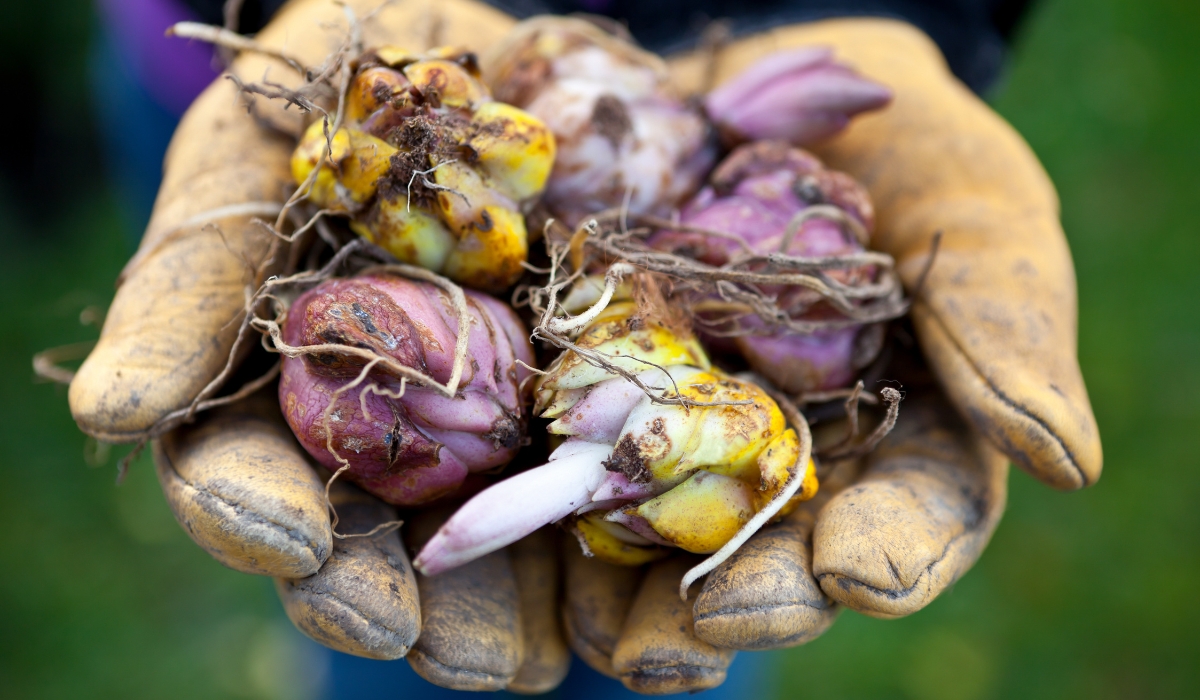
1. Spring-Blooming Bulbs: A Promise of Early Color
- Choose healthy, firm bulbs free of mold or damage.
- Plant at the right depth: Generally, bulbs should be planted two to three times as deep as their height (for example, a 2-inch bulb goes 4–6 inches deep).
- Group bulbs in clusters for a natural, dramatic effect rather than single rows.
- Water thoroughly after planting to settle the soil and encourage rooting.
2. Cool-Season Annuals for Fall and Early Spring Interest
- Plant annuals in well-drained soil amended with compost.
- Water regularly, especially during dry spells.
- Deadhead spent flowers to encourage continuous blooming.
3. Add Texture and Structure with Ornamental Grasses
4. Mulch and Protect New Plantings
5. Plan for Succession
Trust DK Landscaping for Expert Planting
Fall Planting Guide for California: Sowing the Seeds of Spring

As summer’s heat begins to fade and the days grow shorter, September marks the perfect time to start planting for a vibrant spring garden in California. The mild temperatures and occasional rain showers create ideal conditions for seeds and young plants to establish strong roots before winter dormancy. At DK Landscaping, we’re passionate about helping you make the most of this planting season, ensuring your garden bursts with color and life come springtime.
Flowers to Plant in September
Embrace the anticipation of spring by planting these stunning flowers now:
- Bulbs: September is prime time for planting spring-blooming bulbs like tulips, daffodils, hyacinths, crocus, and anemones. These beauties will add pops of color and cheer to your garden as the days grow longer.
- Wildflowers: Consider sowing a wildflower mix for a naturalized and pollinator-friendly display. California poppies, lupines, and clarkias are excellent choices for a vibrant spring meadow.
- Cool-season annuals: Pansies, violas, primroses, and snapdragons thrive in the cooler temperatures of fall and winter, providing early color to your garden.
- Perennials: Fall is an ideal time to divide and transplant perennials or plant new ones. Consider options like columbine, coreopsis, and penstemon for long-lasting beauty.
Vegetables to Plant in September
Extend your harvest season and enjoy fresh produce throughout the fall and winter by planting these vegetables:
- Leafy Greens: Lettuce, spinach, kale, arugula, and Swiss chard thrive in the cooler temperatures of fall and winter.
- Brassicas: Broccoli, cauliflower, Brussels sprouts, and cabbage are perfect for fall planting, as they prefer milder conditions.
- Root Vegetables: Carrots, beets, radishes, and turnips can be sown in September for a late fall or winter harvest.
- Alliums: Plant garlic and shallots in September for a flavorful harvest next summer.
Shrubs to Plant in September
Add structure and year-round interest to your landscape by planting shrubs in the fall:
- Evergreen Shrubs: Ceanothus, manzanita, and toyon provide beautiful foliage and attract pollinators.
- Flowering Shrubs: Consider planting camellias, azaleas, and rhododendrons for stunning spring blooms.
- Fruiting Shrubs: Plant blueberries, raspberries, and currants in the fall for a delicious harvest next year.
Essential Tips for Successful Fall Planting
- Prepare Your Soil: Amend your soil with compost or other organic matter to improve drainage and fertility.
- Choose the Right Location: Consider each plant’s sun and shade requirements when choosing a planting spot.
- Water Wisely: Water deeply and less frequently, allowing the soil to dry out slightly between waterings.
- Protect from Pests: Monitor your plants for signs of pests and take preventative measures to protect them.
- Mulch: Apply a layer of mulch around your plants to conserve moisture, suppress weeds, and regulate soil temperature.
DK Landscaping: Your Partner in Fall Planting
At DK Landscaping, we understand the unique needs of California gardens. Our team of experts can guide you through the fall planting process, providing personalized recommendations and professional installation services to ensure your garden thrives.
Contact us today for a free consultation and let us help you create a stunning spring garden that will bring joy and beauty for years to come.
Remember, fall planting is an investment in the future of your landscape. By taking advantage of this ideal planting season, you can create a vibrant and flourishing garden that welcomes spring with open arms.


