

Posts Tagged bulb planting
Putting Your Garden to Bed: Essential Fall Winterization Steps

When autumn leaves begin to drop and morning temperatures take on a crisp edge, your landscape requires a deliberate shift in maintenance. November is the ideal time to clean the slate and set your soil up for success before heavy winter rains arrive.
1. Perform a Thorough Deep Clean
Just like a thorough indoor house cleaning, your garden needs a clean slate heading into winter.
-
Clear out spent summer annuals and weed your garden beds thoroughly.
-
Remove accumulated debris and fallen leaves from the crowns of sensitive perennials.
-
Why it matters: Leaving decaying organic matter piled directly against plant stems invites fungal diseases, slugs, and overwintering insect pests. (Healthy, disease-free leaves can be chopped and saved for your compost pile).
2. Apply a Protective Blanket of Mulch
If there is one golden rule for winterizing a Northern California landscape, it is mastering mulch. A 2-to-3-inch layer of organic mulch acts as a natural thermal blanket for your soil.
-
It insulates delicate root systems against sudden temperature drops.
-
It prevents heavy winter rains from compacting the topsoil and washing away vital nutrients.
-
It suppresses winter weed germination.
-
Pro Tip: Always keep mulch a couple of inches away from the direct trunks of trees and shrubs to prevent collar rot and moisture buildup.
3. Make Smart Irrigation Adjustments
With shorter days and increased chances of seasonal rainfall, your landscape’s water needs drop dramatically. Leaving automatic sprinkler timers on a summer schedule during late autumn is a recipe for root rot and wasted water.
-
Scale back your irrigation frequency and duration significantly.
-
Inspect your smart controller or rain sensor to ensure it responds accurately to local precipitation.
-
Water deeply but much less often to encourage root systems to stay anchored deep underground.
Ready to trade hours of weekend yard work for professional results? The team at DK Landscaping specializes in sustainable, seasonal landscape maintenance across Sonoma, Napa, and Marin counties. Contact us today for a consultation!
Planting for Spring: Bulbs and Cool-Season Annuals to Add in October
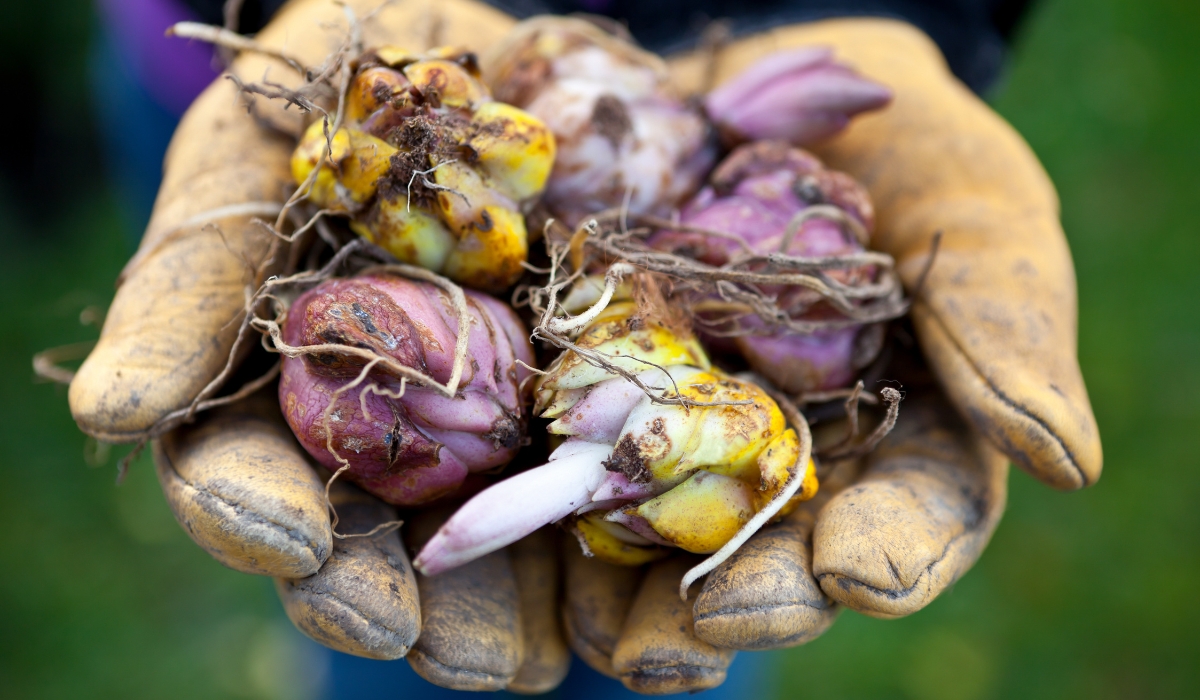
1. Spring-Blooming Bulbs: A Promise of Early Color
- Choose healthy, firm bulbs free of mold or damage.
- Plant at the right depth: Generally, bulbs should be planted two to three times as deep as their height (for example, a 2-inch bulb goes 4–6 inches deep).
- Group bulbs in clusters for a natural, dramatic effect rather than single rows.
- Water thoroughly after planting to settle the soil and encourage rooting.
2. Cool-Season Annuals for Fall and Early Spring Interest
- Plant annuals in well-drained soil amended with compost.
- Water regularly, especially during dry spells.
- Deadhead spent flowers to encourage continuous blooming.


