

Posts Tagged water-wise landscaping
Native Brilliance: Designing a Low-Water, High-Impact Spring Oasis
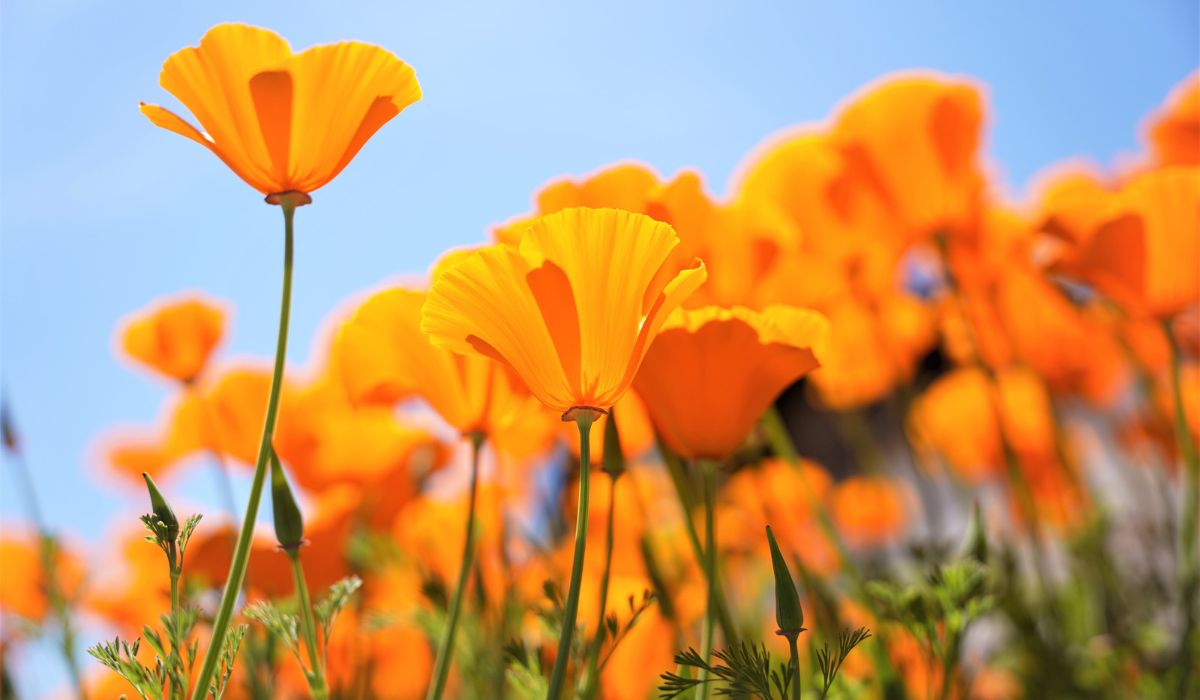
April is the undisputed peak of flower season in Northern California. As the hillsides of Sonoma, Napa, and Marin counties turn vibrantly green and erupt with wildflowers, homeowners often look at their own properties and wonder how to capture that same breathtaking, effortless beauty. The secret does not lie in planting thirsty, exotic ornamentals that require endless maintenance and massive water bills. The true secret to a spectacular spring landscape lies in embracing the unparalleled brilliance of California native plants.
Designing a low-water, high-impact landscape using native species is no longer just an eco-conscious trend; it is the absolute gold standard for modern landscaping in our region. When you design with natives, you are working with our Mediterranean climate rather than fighting against it.
The Evolutionary Advantage of California Natives
Before you start ripping out your lawn, it is crucial to understand why native plants perform so spectacularly well here. California native plants have spent thousands of years evolving alongside our highly specific regional conditions: heavy, wet winters followed by long, baking, entirely rainless summers.
Because of this evolutionary history, natives possess incredible adaptations. Many feature deep taproots to seek out subterranean moisture, waxy or silver-hairy foliage to reflect intense UV rays, and the ability to go into a state of semi-dormancy during the hottest months to conserve energy. When you plant exotics from temperate climates (like hydrangeas or hostas), you have to artificially recreate their native environment using massive amounts of tap water, rich fertilizers, and chemical interventions. Native plants, once established, require almost none of that.
Top Native Showstoppers for Northern California
Designing a high-impact spring oasis requires selecting plants that offer structural beauty, vibrant color, and contrasting textures. Here are some of the absolute best performers for our region:
1. Ceanothus (California Lilac) If you want a show-stopping explosion of color in April, Ceanothus is unmatched. Depending on the variety, this evergreen shrub erupts into massive clusters of electric blue, indigo, or crisp white flowers. It is incredibly drought-tolerant, grows rapidly, and serves as an excellent privacy screen or structural anchor for your garden beds.
2. Arctostaphylos (Manzanita) Manzanita provides year-round architectural interest thanks to its striking, smooth, mahogany-red bark and twisting, sculptural branches. In late winter and early spring, it produces delicate, urn-shaped pink or white flowers. It demands excellent drainage and despises summer water once established, making it the ultimate low-maintenance focal point.
3. California Poppy (Eschscholzia californica) No native garden is complete without our state flower. These vibrant orange and gold blooms provide an incredibly cheerful groundcover. They reseed themselves freely, thrive in poor, rocky soil, and require absolutely zero supplemental fertilization.
4. Native Salvias (Sage) Cleveland Sage (Salvia clevelandii) and Hummingbird Sage (Salvia spathacea) are essential for introducing intense, intoxicating fragrances to your yard. They produce whorls of purple and magenta flowers that bloom profusely through spring and early summer, thriving in full sun and fast-draining soils.
Designing for High Visual Impact
A common misconception is that native gardens look wild, unruly, or “weedy.” In reality, a professionally designed native landscape can be just as sleek, structured, and modern as any formal garden. The key is in the design principles:
-
Embrace Mass Planting: Rather than planting one of everything, plant natives in large, sweeping drifts of 5 to 7 identical plants. A massive drift of purple Salvias contrasting against a drift of silver-foliage California fescue creates a striking, modern aesthetic.
-
Layering Heights: Design your beds with a clear foreground, middle ground, and background. Use creeping groundcovers (like native trailing blackberries or low-growing Ceanothus) in the front, flowering perennials in the middle, and tall structural evergreens (like Toyon or Western Redbud) in the back.
-
Contrast Textures: Pair fine, feathery ornamental grasses (like Deergrass) with the broad, leathery leaves of a flannel bush or the rigid, architectural spikes of a native agave to create visual tension and interest.
The Truth About Native Plant Maintenance
While native gardens are low-water and low-chemical, they are not “no maintenance.” The most critical phase of a native garden is its first year.
-
The Establishment Phase: Native plants must be watered deeply and regularly during their first 12 to 18 months in the ground to establish their deep root systems. Only after this establishment period can you dial back the irrigation to a trickle.
-
Avoid the Compost Trap: Do not amend native planting holes with rich compost or chemical fertilizers. Our natives evolved to thrive in lean, mineral-rich soils. Fertilizing them will actually cause them to grow too quickly, become leggy, and die prematurely.
-
Strategic Pruning: Many natives dislike hard pruning. Instead of shearing them into rigid boxes, selectively thin out dead wood to maintain their natural, organic shapes.
Ready to swap your thirsty lawn for a gorgeous, drought-tolerant native garden? The landscape design team at DK Landscaping specializes in breathtaking, water-wise environments. Contact us today to bring your vision to life!
Drought-Defying Beauty: Landscaping for a Water-Wise California Summer

California summers are synonymous with sunshine, but also with the critical need for water conservation. At DK Landscaping, we believe that a beautiful garden and water efficiency don’t have to be mutually exclusive. In fact, by embracing smart design principles and the right plant choices, you can create a stunning, drought-defying landscape that flourishes through the dry season, all while being a responsible steward of our precious resources.
Design with Water in Mind: Principles for Efficiency
The foundation of a water-wise landscape starts with thoughtful design.
- Hydrozoning: Group plants with similar water needs together. This allows you to irrigate more efficiently, providing just the right amount of water to each zone without over- or under-watering.
- Reduce Lawn Area: Traditional lawns are notorious water guzzlers. Consider replacing thirsty turf with drought-tolerant groundcovers, permeable paving, or inviting hardscaping. Even a smaller, strategically placed lawn can significantly reduce water consumption.
- Improve Soil Health: Incorporate plenty of organic matter like compost into your soil. Healthy soil retains water more effectively, reducing runoff and making more moisture available to plant roots.
- Capture Rainwater: Explore options like rain barrels to collect rainwater from your roof for later use in your garden. This free water is perfect for supplemental irrigation during dry spells.
Plant Power: Thriving Through the Dry Season
The secret to a vibrant, water-wise garden lies in plant selection. California offers an incredible array of native and Mediterranean-climate plants that are naturally adapted to dry conditions.
- California Natives: Embrace the beauty of plants like Ceanothus (California Lilac), Manzanita, and various Sages (Salvia). They are perfectly suited to our climate, require minimal water once established, and provide habitat for local wildlife.
- Drought-Tolerant Exotics: Many plants from similar climates around the world, such as lavender, rosemary, succulents, and certain ornamental grasses, also thrive with very little water.
- Smart Plant Pairings: Combine plants with complementary textures and forms. Pair the bold shapes of agave with the delicate wisps of fountain grass, or the silvery foliage of ‘White Sage’ with the vibrant purple of ‘Victoria Blue’ Salvia for striking visual appeal.
Hardscaping with Purpose: Beauty and Function
Hardscaping plays a pivotal role in a water-wise landscape, reducing the need for thirsty plants while adding structure and beauty.
- Permeable Paving: Choose materials like decomposed granite, permeable pavers, or gravel for patios and pathways. These allow rainwater to filter into the ground rather than running off, replenishing groundwater.
- Attractive Patios & Decks: Create inviting outdoor living spaces that are naturally low-water. Furnish them with comfortable seating and drought-tolerant container plants for pops of color.
- Dry Stream Beds & Rock Gardens: These features can manage rainwater runoff effectively while adding an artistic, natural aesthetic to your garden, especially when combined with drought-tolerant plantings.
By integrating these design principles, making wise plant choices, and utilizing smart hardscaping, you can cultivate a landscape that not only withstands the dry California summer but thrives with captivating beauty and significantly reduced water consumption. Let DK Landscaping guide you in creating your own drought-defying oasis.
Beyond the Bloom: Designing Your Dream Spring Garden with Native California Plants

Spring in California isn’t just about fleeting blossoms; it’s an opportunity to create a garden that thrives with minimal fuss and celebrates our unique ecosystem. At DK Landscaping, we champion the beauty and resilience of native California plants. Designing with these incredible species ensures a vibrant spring garden that’s not only stunning but also sustainable and perfectly adapted to our climate.
Why Go Native? The Unbeatable Benefits
Choosing native plants for your spring garden offers a multitude of advantages. First and foremost, they are inherently water-wise. Having evolved in California’s arid to semi-arid conditions, they require significantly less irrigation once established, saving you money and conserving a precious resource. Beyond water savings, native plants are naturally resistant to many local pests and diseases, reducing the need for chemical interventions. They also provide vital habitat and food sources for local wildlife, attracting beneficial insects, butterflies, and birds, bringing your garden to life.
Selecting Your Spring Stars: Beauty and Function
The diversity of California native plants is astounding, offering a palette of textures, colors, and forms for any garden style. For eye-catching spring blooms, consider the brilliant purples of California Lilac (Ceanothus), the sunny yellows of California Poppies (Eschscholzia californica), or the delicate pinks of Coral Bells (Heuchera). For structural interest and year-round greenery, explore Manzanita (Arctostaphylos) varieties with their striking red bark, or the silvery foliage of various sages (Salvia). Don’t forget groundcovers like Creeping Mahonia (Mahonia repens) for shady spots or sedges (Carex) for a grassy effect.
Placement with Purpose: Designing for Success
Thoughtful placement is key when designing with native plants. Mimic natural plant communities by grouping plants with similar water and sun requirements together. “Right plant, right place” is our mantra! Most California natives prefer well-draining soil and full sun, but there are excellent choices for partial shade as well. Consider mature size when planting to avoid overcrowding, and remember that many natives benefit from adequate spacing to promote air circulation. Layering different plant heights and textures will create visual interest and depth, transforming your garden into a dynamic living tapestry.
By embracing the beauty and ecological wisdom of native California plants, you’re not just planting a garden; you’re cultivating a sustainable, low-maintenance, and utterly captivating landscape that celebrates the true spirit of our Golden State. Let DK Landscaping help you design and realize your dream spring garden – one native plant at a time.


