

Posts Tagged Marin County yards
Native Brilliance: Designing a Low-Water, High-Impact Spring Oasis
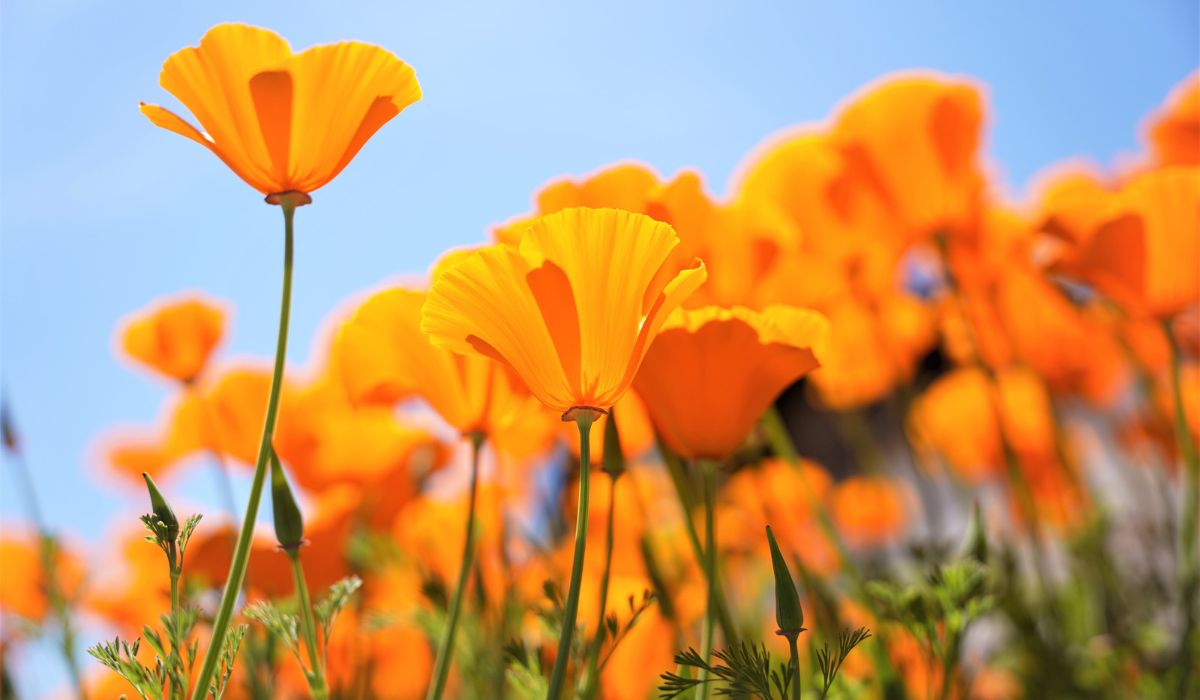
April is the undisputed peak of flower season in Northern California. As the hillsides of Sonoma, Napa, and Marin counties turn vibrantly green and erupt with wildflowers, homeowners often look at their own properties and wonder how to capture that same breathtaking, effortless beauty. The secret does not lie in planting thirsty, exotic ornamentals that require endless maintenance and massive water bills. The true secret to a spectacular spring landscape lies in embracing the unparalleled brilliance of California native plants.
Designing a low-water, high-impact landscape using native species is no longer just an eco-conscious trend; it is the absolute gold standard for modern landscaping in our region. When you design with natives, you are working with our Mediterranean climate rather than fighting against it.
The Evolutionary Advantage of California Natives
Before you start ripping out your lawn, it is crucial to understand why native plants perform so spectacularly well here. California native plants have spent thousands of years evolving alongside our highly specific regional conditions: heavy, wet winters followed by long, baking, entirely rainless summers.
Because of this evolutionary history, natives possess incredible adaptations. Many feature deep taproots to seek out subterranean moisture, waxy or silver-hairy foliage to reflect intense UV rays, and the ability to go into a state of semi-dormancy during the hottest months to conserve energy. When you plant exotics from temperate climates (like hydrangeas or hostas), you have to artificially recreate their native environment using massive amounts of tap water, rich fertilizers, and chemical interventions. Native plants, once established, require almost none of that.
Top Native Showstoppers for Northern California
Designing a high-impact spring oasis requires selecting plants that offer structural beauty, vibrant color, and contrasting textures. Here are some of the absolute best performers for our region:
1. Ceanothus (California Lilac) If you want a show-stopping explosion of color in April, Ceanothus is unmatched. Depending on the variety, this evergreen shrub erupts into massive clusters of electric blue, indigo, or crisp white flowers. It is incredibly drought-tolerant, grows rapidly, and serves as an excellent privacy screen or structural anchor for your garden beds.
2. Arctostaphylos (Manzanita) Manzanita provides year-round architectural interest thanks to its striking, smooth, mahogany-red bark and twisting, sculptural branches. In late winter and early spring, it produces delicate, urn-shaped pink or white flowers. It demands excellent drainage and despises summer water once established, making it the ultimate low-maintenance focal point.
3. California Poppy (Eschscholzia californica) No native garden is complete without our state flower. These vibrant orange and gold blooms provide an incredibly cheerful groundcover. They reseed themselves freely, thrive in poor, rocky soil, and require absolutely zero supplemental fertilization.
4. Native Salvias (Sage) Cleveland Sage (Salvia clevelandii) and Hummingbird Sage (Salvia spathacea) are essential for introducing intense, intoxicating fragrances to your yard. They produce whorls of purple and magenta flowers that bloom profusely through spring and early summer, thriving in full sun and fast-draining soils.
Designing for High Visual Impact
A common misconception is that native gardens look wild, unruly, or “weedy.” In reality, a professionally designed native landscape can be just as sleek, structured, and modern as any formal garden. The key is in the design principles:
-
Embrace Mass Planting: Rather than planting one of everything, plant natives in large, sweeping drifts of 5 to 7 identical plants. A massive drift of purple Salvias contrasting against a drift of silver-foliage California fescue creates a striking, modern aesthetic.
-
Layering Heights: Design your beds with a clear foreground, middle ground, and background. Use creeping groundcovers (like native trailing blackberries or low-growing Ceanothus) in the front, flowering perennials in the middle, and tall structural evergreens (like Toyon or Western Redbud) in the back.
-
Contrast Textures: Pair fine, feathery ornamental grasses (like Deergrass) with the broad, leathery leaves of a flannel bush or the rigid, architectural spikes of a native agave to create visual tension and interest.
The Truth About Native Plant Maintenance
While native gardens are low-water and low-chemical, they are not “no maintenance.” The most critical phase of a native garden is its first year.
-
The Establishment Phase: Native plants must be watered deeply and regularly during their first 12 to 18 months in the ground to establish their deep root systems. Only after this establishment period can you dial back the irrigation to a trickle.
-
Avoid the Compost Trap: Do not amend native planting holes with rich compost or chemical fertilizers. Our natives evolved to thrive in lean, mineral-rich soils. Fertilizing them will actually cause them to grow too quickly, become leggy, and die prematurely.
-
Strategic Pruning: Many natives dislike hard pruning. Instead of shearing them into rigid boxes, selectively thin out dead wood to maintain their natural, organic shapes.
Ready to swap your thirsty lawn for a gorgeous, drought-tolerant native garden? The landscape design team at DK Landscaping specializes in breathtaking, water-wise environments. Contact us today to bring your vision to life!


