

Posts Tagged Marin County landscaping
The Second Spring: Why Fall is the Absolute Best Time to Plant Trees and Shrubs
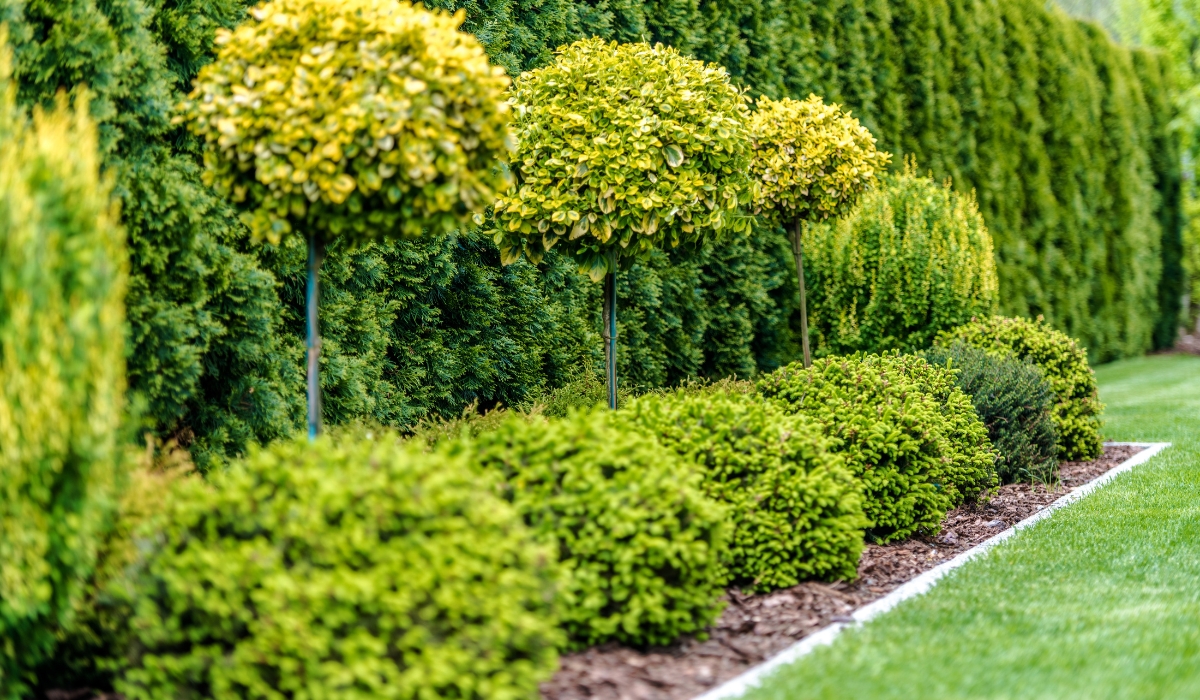
If you walk into any big-box home improvement store in April, you will be overwhelmed by towering displays of fertilizer, endless rows of blooming flowers, and massive marketing campaigns telling you that spring is the ultimate time to plant. Because of this, the vast majority of homeowners in Sonoma, Napa, and Marin counties believe they have missed their window if they don’t get their new trees and shrubs in the ground before Memorial Day.
However, professional horticulturalists and landscape designers know a closely guarded secret about our unique Northern California climate: Spring is actually the second best time to plant.
The absolute best time to fundamentally transform your landscape, install large structural trees, and plant perennial shrubs is right now, during the months of September and October. In the landscaping industry, we refer to this golden window as the “Second Spring.” Understanding why fall planting is so successful is the key to building a resilient, fast-growing, and drought-tolerant landscape.
The Science of Fall Planting: Warm Soil, Cool Air
To understand why fall planting is superior, you have to look at what a plant experiences when it is taken out of its plastic nursery pot and placed into the ground.
When you plant in May, the soil is still relatively cool from winter, but the air temperature is rapidly rising. As the summer sun beats down on the tender new foliage, the plant desperately tries to pull water from its roots to cool itself. However, because the plant was just put in the ground, its root system is still confined to the exact shape of its nursery pot. It hasn’t had time to spread out into the surrounding soil. This leads to massive transplant shock, requiring you to water the plant constantly just to keep it on life support through August.
When you plant in September, the dynamic is completely reversed.
-
The Air is Cooling: The intense, scorching heat of summer is finally breaking, and the days are getting noticeably shorter. The plant’s leaves are no longer under severe physiological stress from the sun, meaning the plant stops focusing its energy on canopy growth and cooling.
-
The Soil is Baking Hot: While the air is cooling down, the soil underground has been absorbing solar radiation for the last four months. The soil is incredibly warm.
This combination—cool air and warm soil—triggers a biological reaction in trees and shrubs. The plant stops growing new leaves above ground and instead pumps 100% of its stored energy into explosive root growth beneath the surface.
The Winter Rain Advantage
By planting in September, you give your new trees and shrubs a massive head start. They spend all of October and November rapidly pushing their roots deep into the warm soil.
Then, the Northern California winter arrives. As the atmospheric rivers and seasonal rains begin to fall, your new plants receive months of deep, slow, perfectly timed irrigation entirely courtesy of Mother Nature. Because the roots are already established from their fall planting, they drink in this winter moisture, anchoring themselves even deeper into the subsoil.
When actual spring arrives the following year, a fall-planted shrub will completely outpace a spring-planted shrub. The fall-planted specimen already has a massive, established root system ready to support a spectacular flush of new leaves and spring flowers, while the spring-planted specimen is still just trying to survive the shock of being moved.
What to Plant During the Second Spring
September is the ideal time to plant almost any permanent landscape feature, with a few notable exceptions (wait until late winter for bare-root fruit trees and dormant roses).
1. California Natives This is the holy grail window for planting native species like Ceanothus, Manzanita, Toyon, and native Salvias. Because these plants despise summer irrigation once established, planting them in the fall allows them to settle in using natural winter rains, perfectly mimicking their evolutionary life cycle.
2. Structural Evergreens and Hedges If you are planning to install a privacy screen of Podocarpus, Laurel, or Boxwood, doing it now ensures the hedge will be pushing strong, unified growth by next summer.
3. Drought-Tolerant Mediterranean Shrubs Rosemary, Lavender, Rock Rose, and ornamental grasses all benefit massively from fall root establishment. They will enter next summer’s heatwave deeply anchored and highly resilient.
The Rules of Fall Planting
While fall is the best time to plant, you still have to do it correctly.
-
Dig Wide, Not Deep: Dig your planting hole two to three times as wide as the nursery pot, but exactly the same depth. If you dig too deep, the plant will sink over the winter, burying the crown in wet soil and inviting crown rot.
-
Skip the Heavy Amendments: Especially when planting natives or Mediterranean plants, avoid filling the hole with rich, loamy compost. Plants need to learn to survive in your native site soil. If you create a “teacup” of rich potting soil surrounded by dense clay, the roots will never leave the hole, and the plant will eventually drown.
-
Water Deeply: Even though the weather is cooling down, newly planted specimens still require deep, soaking irrigation for their first few weeks in the ground until the winter rains take over.
Ready to take advantage of the Second Spring? The design and installation teams at DK Landscaping are actively booking fall landscape renovations across Sonoma, Napa, and Marin counties. Let us help you select and install the perfect plants for a thriving, drought-resilient property. Contact us today to schedule your consultation!
Mid-Summer Drought Defense: Deep-Root Watering and Heat Mitigation
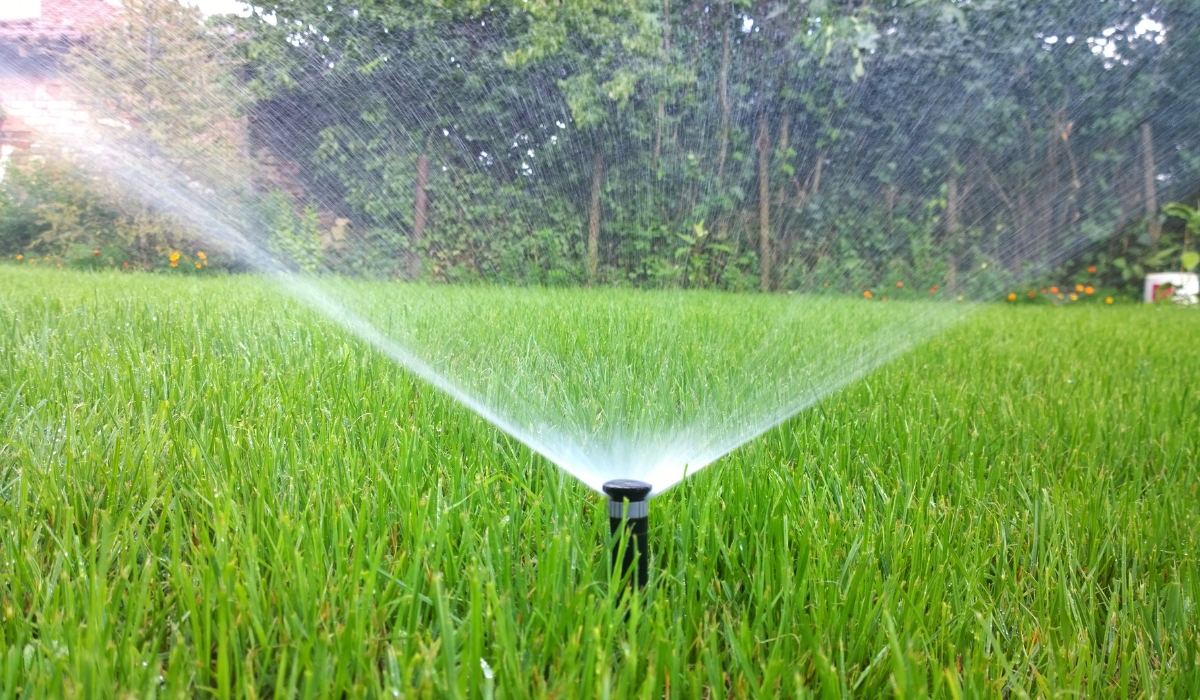
July marks the arrival of peak summer in Northern California. Across Sonoma, Napa, and Marin counties, the fog burns off early, the skies remain a cloudless, brilliant blue, and daytime temperatures routinely soar into the 90s—and often cross the 100-degree threshold. With months having passed since our last meaningful rainfall, the landscape is entirely dependent on your management to survive the intense, baking heat.
During these mid-summer months, water conservation is not just a suggestion; it is a permanent regional necessity. The challenge for homeowners is keeping their lawns lush, their trees healthy, and their flower beds vibrant without letting their water bills skyrocket.
The secret to maintaining a beautiful summer landscape while remaining environmentally and economically responsible lies in mastering two critical practices: deep-root watering and proactive heat mitigation.
Understanding Plant Heat Stress
Before adjusting your sprinklers, it is important to understand what happens to a plant during a July heatwave. When temperatures spike, plants lose moisture through their leaves in a process called transpiration—essentially, plant sweating. If a plant transpires water faster than its roots can pull replacement moisture from the soil, the plant loses turgor pressure. The leaves wilt, the edges turn brown and crispy, and the plant stops growing to conserve energy.
If a homeowner sees a wilting plant at 2:00 PM on a 95-degree day, the panic response is usually to grab the garden hose and spray the foliage. This is a massive mistake. Wilting in the mid-afternoon is often a natural defense mechanism to reduce surface area exposed to the sun. Spraying the leaves with water during peak heat acts like a magnifying glass, burning the foliage, and the water evaporates before it ever reaches the roots.
The Magic of Deep-Root Watering
The most common irrigation mistake homeowners make in July is watering their landscape for 5 or 10 minutes every single day. Frequent, shallow watering teaches plant roots to stay in the top inch of the soil, right where the sun’s heat is most intense and evaporation is highest.
To build a drought-resilient garden, you must train your plants’ roots to dive deep underground where the soil remains cool and moist long after the surface has dried out. This is achieved through Deep-Root Watering.
-
Water Less Often, But for Longer: Instead of watering a shrub for 10 minutes every day, water it for 45 minutes twice a week. This allows the moisture to penetrate 12 to 18 inches down into the soil profile.
-
The “Cycle and Soak” Method: Northern California’s heavy clay soils absorb water very slowly. If you run a sprinkler for 30 straight minutes, the water will likely pool and run off into the street after 10 minutes. Program your smart controller to run for 10 minutes, pause for 30 minutes to let the water soak in, and then run for another 10 minutes. This pushes the water deep into the root zone without wasting a drop to surface runoff.
Embracing Drip Irrigation
If you are still watering your garden beds with overhead pop-up sprays, July is the time to evaluate a conversion. Overhead sprays throw water into the air, where up to 30% of it is immediately lost to wind drift and evaporation on a hot summer afternoon.
Drip irrigation delivers water directly to the base of the plant, seeping slowly into the root zone with virtually zero evaporation. Upgrading your shrub beds and vegetable gardens to point-source drip emitters or inline drip grids will drastically cut your water usage while actually improving the health of your plants.
Timing is Everything: When to Water
In July, when you water is just as important as how much you water.
-
The Golden Hour (Pre-Dawn): The absolute best time to run your irrigation is between 3:00 AM and 6:00 AM. The air is cool, the winds are calm, and the water has time to soak deeply into the soil before the sun comes up to bake it away.
-
Avoid Evening Watering: Watering at 8:00 PM might seem logical, but leaving foliage wet overnight in the warm summer air creates the perfect breeding ground for powdery mildew and fungal infections.
Stop Fertilizing During Heatwaves
Finally, put the fertilizer away. Pushing a plant to generate new, tender leafy growth during a 100-degree heatwave places immense physiological stress on the plant. Allow your landscape to coast through the hottest weeks of July; you can resume feeding when the weather begins to cool in late September.
Are you struggling to keep your yard green without wasting water? The irrigation experts at DK Landscaping specialize in smart controller programming, drip conversions, and water-wise property management. Contact us today to optimize your summer watering schedule!


