

Posts Tagged deep root watering
Mid-Summer Drought Defense: Deep-Root Watering and Heat Mitigation
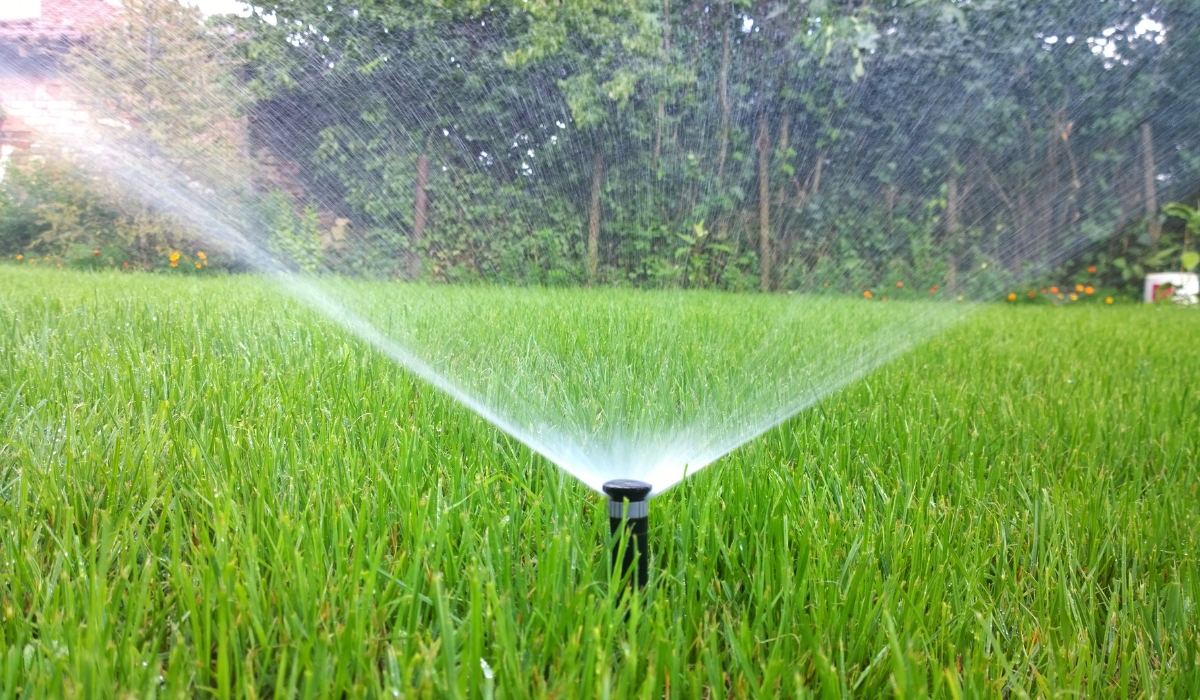
July marks the arrival of peak summer in Northern California. Across Sonoma, Napa, and Marin counties, the fog burns off early, the skies remain a cloudless, brilliant blue, and daytime temperatures routinely soar into the 90s—and often cross the 100-degree threshold. With months having passed since our last meaningful rainfall, the landscape is entirely dependent on your management to survive the intense, baking heat.
During these mid-summer months, water conservation is not just a suggestion; it is a permanent regional necessity. The challenge for homeowners is keeping their lawns lush, their trees healthy, and their flower beds vibrant without letting their water bills skyrocket.
The secret to maintaining a beautiful summer landscape while remaining environmentally and economically responsible lies in mastering two critical practices: deep-root watering and proactive heat mitigation.
Understanding Plant Heat Stress
Before adjusting your sprinklers, it is important to understand what happens to a plant during a July heatwave. When temperatures spike, plants lose moisture through their leaves in a process called transpiration—essentially, plant sweating. If a plant transpires water faster than its roots can pull replacement moisture from the soil, the plant loses turgor pressure. The leaves wilt, the edges turn brown and crispy, and the plant stops growing to conserve energy.
If a homeowner sees a wilting plant at 2:00 PM on a 95-degree day, the panic response is usually to grab the garden hose and spray the foliage. This is a massive mistake. Wilting in the mid-afternoon is often a natural defense mechanism to reduce surface area exposed to the sun. Spraying the leaves with water during peak heat acts like a magnifying glass, burning the foliage, and the water evaporates before it ever reaches the roots.
The Magic of Deep-Root Watering
The most common irrigation mistake homeowners make in July is watering their landscape for 5 or 10 minutes every single day. Frequent, shallow watering teaches plant roots to stay in the top inch of the soil, right where the sun’s heat is most intense and evaporation is highest.
To build a drought-resilient garden, you must train your plants’ roots to dive deep underground where the soil remains cool and moist long after the surface has dried out. This is achieved through Deep-Root Watering.
-
Water Less Often, But for Longer: Instead of watering a shrub for 10 minutes every day, water it for 45 minutes twice a week. This allows the moisture to penetrate 12 to 18 inches down into the soil profile.
-
The “Cycle and Soak” Method: Northern California’s heavy clay soils absorb water very slowly. If you run a sprinkler for 30 straight minutes, the water will likely pool and run off into the street after 10 minutes. Program your smart controller to run for 10 minutes, pause for 30 minutes to let the water soak in, and then run for another 10 minutes. This pushes the water deep into the root zone without wasting a drop to surface runoff.
Embracing Drip Irrigation
If you are still watering your garden beds with overhead pop-up sprays, July is the time to evaluate a conversion. Overhead sprays throw water into the air, where up to 30% of it is immediately lost to wind drift and evaporation on a hot summer afternoon.
Drip irrigation delivers water directly to the base of the plant, seeping slowly into the root zone with virtually zero evaporation. Upgrading your shrub beds and vegetable gardens to point-source drip emitters or inline drip grids will drastically cut your water usage while actually improving the health of your plants.
Timing is Everything: When to Water
In July, when you water is just as important as how much you water.
-
The Golden Hour (Pre-Dawn): The absolute best time to run your irrigation is between 3:00 AM and 6:00 AM. The air is cool, the winds are calm, and the water has time to soak deeply into the soil before the sun comes up to bake it away.
-
Avoid Evening Watering: Watering at 8:00 PM might seem logical, but leaving foliage wet overnight in the warm summer air creates the perfect breeding ground for powdery mildew and fungal infections.
Stop Fertilizing During Heatwaves
Finally, put the fertilizer away. Pushing a plant to generate new, tender leafy growth during a 100-degree heatwave places immense physiological stress on the plant. Allow your landscape to coast through the hottest weeks of July; you can resume feeding when the weather begins to cool in late September.
Are you struggling to keep your yard green without wasting water? The irrigation experts at DK Landscaping specialize in smart controller programming, drip conversions, and water-wise property management. Contact us today to optimize your summer watering schedule!


