

How a Landscaping Company Can Drought-Proof Your Yard
 Landscaping companies are ready to help you be more water wise with a xeriscaping landscape. Xeriscaping is the horticulturist term used to describe the practice of developing a landscape design that works to reduce or eliminate irrigation and watering. The best designed xeriscaped landscapes require little to no additional watering- all the water they need comes from the natural environment. Expert landscaping designers know how to implement these water smart plants into a beautiful landscape for any home or business. The secret to a landscaping company having a great design is the plants they use. With water supplied dwindling and the threat of a water crisis looming large, more and more homeowners and businesses alike are turning to xeriscaping as an option to help conserve water.
Xeriscaping has long been used and loved in much of the dry regions of the United States, and even more regions are beginning to open up and discover the benefits of water wise gardening. There are four main benefits that come from having a landscaping company help you design a xeriscape plan for your yard.
Benefits of Using a Landscaping Company
Financial Benefits
Xeriscaping has become popular with many due it the many amazing financial benefits. Water costs money and along with the water also comes other tasks such as fertilizing and weeding. Over the course of a year, a great deal of money is spent on these tasks. When you have a xeriscape design, however, all this cost is drastically cut and your landscaping company can end up saving you money!
Environmental Benefits
Xeriscaping comes down to you and the landscaping company choosing plants that are appropriate for your climate. Many plants that naturally grow in an area are drought tolerant and suited for the natural climate and seasonal changes of an area, which is why native plants are often used in these xeriscape designs when a landscaping company designs them. Xeriscaping usually requires switching out grass and many other common shrubs and plants and using water friendly plants and substituting hardscape designs in place of lawns. This helps save water and also helps preserve natural plants that belong in the area; you can ask your landscaping company to use native plants as much as possible.
Outdoor Activity
Supporters of xeriscaping often say that it is a lot of fun. It might require a little more work at the start but once your xeriscape yard is in place you can kick back and enjoy it, instead of spending hours every week mowing, raking weeding, watering, and fertilizing. It also help keep you active by making it easier to get outside and have fun- no lawn to cut before a game of tag football and no flower beds to worry about when the dogs run outside to play. Xeriscaping landscape designs help stimulate outdoor activity and involvement.
Plenty of Beautiful Plants
Many people who are considering having a landscaping company put in a xeriscape design are worried that their yard will look drab and boring. While the most commonly seen example of a xeriscape-friendly plant is indeed the cactus, they are far from the only plants that a landscaping company can use. Any drought-resistant plants and native plants can work well. Common plant choice include agave, liriope, juniper, thyme, rosemary, sage, dill, black walnuts, garlic, Jerusalem artichokes, and many more.
Discover the many benefits of xeriscape design today and talk to your landscaping company today to see what they can offer you as you work to design a water wise and plant friendly landscape for your home or business!
Front Yard Flower Bed Ideas – DK Landscaping
 Want to make your home look calm, inviting, and happy? Add flower beds to your property for constant color. Use the beds to delineate property or break up bland expanses of lawn grass and dirt. Finding flower bed ideas is simple, but you should be sure of what you need and why. There are so many possible flower bed ideas that you can get easily bogged down in details if you start to look for designs without taking issues like drought and level of care into consideration. Pinpoint non-negotiable issues like those first to make designing your front yard a lot more efficient.
Drought-Proof Flower Bed Ideas
Drought is probably going to be one of your main considerations when looking at flower bed ideas. Many areas of the country are experiencing water shortages, and anything you plant has to be able to deal with a lack of abundant water. That doesn’t mean you have to plant cacti — just look for cultivars of flowers that have been bred to be less water-needy. Native flowers are always a wonderful choice in this case as they are already somewhat adapted to their region’s fluctuating water supplies. Plant breeders have been working on drought- and disease-resistant cultivars of all sorts of plants for years, and it’s become easier to find these in garden centers and from landscaping companies when looking at flower bed ideas.
Easy Care Flower Bed Ideas
Ease of care is another big consideration for flower bed ideas. Even if you have a landscaping company taking care of most of your garden, you’ll still have to do some minor care yourself. If you don’t feel up to that, you’ll want flower varieties that can handle benign neglect. Again, native flowers tend to be a little better for this, though there are easy-care species from all over the country if you’d like more variety for your flower bed ideas.
Location Ideas For Your Flower Bed
Now take a look at location to further refine your flower bed ideas. Flower beds that will be near the street need to be able to handle road salt spray, for example, if your area tends to have occasional snowfall in spring or fall. That’s not so much of a problem with annuals, as you’d be removing them anyway, but if can be for perennial or biennial flowers.
Flower bed ideas for spaces near fences can have species of varying heights, so those plants nearer the fence should be taller. The shorter flowers near the edge of the bed may need to be shade-tolerant if the bed is positioned where the fence or taller plants might block a lot of the sunlight.
Reduce Insects
Flowers planted next to the house need to be pest-resistant if possible. While it is impossible to guarantee that a flower will never attract a bug, if you have flowers that tend to attract pests, those pests could get into your house. Ask your garden center or landscaping company to show you flowers that have a reputation for repelling insects, too, such as marigolds, petunias, and nasturtiums. As you come up with ideas for other areas of your yard, you can work a few of these plants in so that you can reduce the number of pests you have to deal with overall. Start talking to landscape design companies about flower bed ideas and species that fit what you need for your yard’s environment, and you’ll have a beautiful yard in no time.
Xeriscape Landscaping in Sonoma County
 Xeriscape Why?
Xeriscape became a word invented by Denver Water Department when forbidding watering in summer. Sonoma residents must:
- select plants appropriate to your climate,
- mulch plants to help them retain moisture
- care for your plants properly
- keep plants healthy
- Plant shrubs, trees and other attractive plants where grass used to be.
The foregoing basics reduce water consumption 60 percent. Instead of a monotonous expanse of lawn in shades of green to brown, your yard can become rich with variety and interesting to observers. Filling your yard with a variety of hardy drought tolerant plants indigenous to your area is making a pact with Mother Nature that you are on her side. You are now going to help her with a bounty of beautiful plants she worked over 1,000 years to perfect for your exact piece of land.
Prepare the Yard Soil
- Pick up a fistful of thoroughly wet soil from your yard and squeeze it into a ball. The ball will stay formed or will crumble apart.
- Add organic material to your soil if the ball of dirt crumbled quickly. Compost or manure helps crumbly soil retain moisture.
- Add sand or ground bark to the soil if the ball of dirt formed a tight, hard ball. Hard, clay soil allows all water to run off quickly before it even has a chance to reach a plant’s roots.
Grow Plants Nature Designed for Sonoma
- Grow plants native to the Sonoma parched earth. They adapted mechanisms over hundreds of years to tolerate and cope with your weather and water gauge, so require little watering. Landscape companies can recommend plants for you so that your unique taste can still be displayed in your xeriscape garden.
- Plant trees suited to dry landscaping, such as California buckeye, which though their seeds are poisonous, make great shaped trees. The U.S. Department of Agriculture plant hardiness dictates zones 6a and higher for Sonoma.
- Plant drought-tolerant xeriscape shrubs like California wild lilac, best in USDA zones 5b or higher with lovely flowers. California wild lilac can grow in either full sun or partial shade.
- Choose drought-tolerant ornamental grass like blue lyme for full sun or light shade. This clumping grass is very hardy, with gray-blue foliage and grows up to 4 feet tall with very little water.
- Plant xeriscape succulents in your hard that will store water in fleshy leaves and need little water from you. The Century plant, or Agave Americana, grows well in USDA Zones 9a through 11 in full raging sun or a little shade. Reaching 8 feet in height and 12 feet wide. They provide a focal point if you just make sure you have a safe distance between its spiny leaves and foot traffic.
Follow Xeriscape Principles
- You must cover your entire garden with a layer of mulch or compost so that the need for moisture due to evaporation is nil. Compost has nitrogen, giving plants nutrition and improving texture of your xeriscape yard soil.
- Water in early morning or evening to minimize any evaporation. Drip irrigation systems are the most effective method for Sonoma.
List of Zero to Low Water Need Plants for Sonoma Area
There are many drought tolerant plants needing no supplemental summer water once established. While these are uber-drought tolerant xeriscape plants, some will do a bit better with some water. Some fine shrubs that meet these criteria are:
- Arbutus Onedo
- Acca Sellowiana
- Baccharis Pilularis
- Buxus
- Callistemon spp.
Contact your local landscape company to learn the multitude of xeriscape plants that can beautify your home without watering!
Winter’s For The Birds

While your garden is dormant, it can be just as entertaining and rewarding to feed our feathered friends in winter. Feeding the birds in winter is a kindness not only to them, but also to yourself. After all, there’s nothing quite like watching all of the birds happily feeding each morning while you’re sipping on a hot cup of coffee.
Winter is a particularly a difficult season for birds who stick around colder climates, and is at that time of year when their usual foods are in short supply. Birds use a lot of energy in the winter months to keep themselves warm, they need extra stamina. Winter birds are around, but in order to entice them into our yards, we must provide a little nosh – a little seed, perhaps some suet.
Enrich the Birds’ Diet
Birds need extra fat and protein in the wintertime. Fatty treats like oil sunflower seeds, peanuts, and suet are a tasty way to provide these nutrients. (Change the menu in favor of lighter fare when the spring thaw comes along.)
Hang a Covered Bird Feeder
Use a bird feeder equipped with a roof, to shelter your guests from all but the harshest weather that Mother Nature has in store. Fill it up regularly and remember to remove any seeds that get moldy from wintry damp.
Hang Feeders in Cat-Safe Locations
Place bird feeders in locations that do not also offer hiding places for sneak-attacks by cats and other predators. Think of placing the feeders ten to twelve feet from shrubs or brush piles. This gives the birds some time to react.
Offer Birds both Food and Drink
Birds can become dehydrated in winter even if surrounded by ice and snow. Putting out a pan of water near the feeder on warmer days is a terrific idea.
Save Money and Stock Up on Seed
Bird feeding veterans say it is best to stock up on birdseed in the Fall when many lawn and garden centers are discounting it to make way for winter merchandise. Stored properly, (in cool dry places) seed can easily last for months, particularly seed mixes and sunflower seeds.
Leaving berriesand other fruit on your native trees and bushes. Birds ranging from robins, cardinals, juncos, waxwings and mockingbirds to wild turkey and grouse will feast on these fruits throughout the cold months. And if you’ve been smart enough to leave your fallen leaves on the ground since autumn, the decaying leaf litter will provide a feast of insects, seeds, nuts and other treats for your backyard birds.
Firewood: Harwood vs. Softwoods?

Nothing sets the holiday mood than having a brightly burning fire complete with crackling sounds and fixating flames, to not only warm your home but your soul as well. But not all wood is created equal. Creating a great fire relies on great firewood, and it makes the choice more difficult with so many options available.
When trees are first cut down, they are full of moisture. It’s important to understand that all firewood needs to be properly seasoned, which is to say that it needs to have low moisture content. Well seasoned firewood is easier to start, produces more heat, and burns cleaner.
What’s Better: Hardwoods or Softwoods?
Hardwoods are dense and pack more heat per volume of firewood. This is why they tend to be the best options for burning. The only con to hardwoods is that they are difficult to light. That’s why many people will use softwoods to get the fire going.
Softwoods are less dense and ignite quickly, but they don’t provide long-lasting heat and warmth. They give off soot and creosote which line your chimney, which is a source of chimney fires. Whenever possible, avoid using softwoods in your fireplace. They may be great around a campfire, but they are the last thing you want in your home chimney.
Hardwoods
- Oak: Oak is abundant in the U.S. and considered one of the best picks for firewood. When it’s dried properly, it will burn for hours and produce warm heat. The key is that it needs to be seasoned properly. Oak firewood should be aged in a dry area for at least six months. Oak is difficult to light, but once started, it will offer a long-burning fire.
- Hickory: Hickory can be difficult to split, but once you have this part covered, it burns just as beautifully as oak.
- Ash: Some argue that ash is the best firewood to burn. Ash splits easily and has a low moisture content, which is why people love it.
- Maple: Hard maple produces a slow-burning fire because it’s very dense and heavy. Soft maple is also a suitable choice for firewood. It’s easy to burn with no heavy smoke.
- Birch: Birch is an attractive choice for firewood because it gives off a lot of heat, but the drawback is that it burns quickly. If you find bundles of birch, you’ll probably notice that it’s cheaper than other woods. Just remember that you will burn through more of it, so it’s best to mix in birch with slow-burning firewood like oak.
- Apple: Apple trees aren’t just valued for their apples. They also produce great wood for burning since it has a pleasant smoky aroma and generates little smoke.
Softwoods
- Pine: Pine is readily available, especially because it seasons faster than other wood varieties, and it’s easier to split and light. Pine is a great wood to start a fire with, but it’s not the best to continue with. Pine burns very quickly and has sap pockets that can explode, causing creosote buildup in the chimney.
- Fir: Fir produces sparking just as pine does, but the older trees are easy to split and start. Fir firewood also gives off an ample amount of heat, although not as much as the hardwoods.
Let’s hear from you. What’s your favorite wood to burn?
Raking Leaves – for Aesthetics or Maintenance?
 As wonderful as Autumn is, removing the fallen leaves from your lawn in the late fall is not generally regarded as a fun task. It’s time consuming and a bit tedious. You’ll be glad to know the payoff for all your labor goes beyond simply enhancing the curb appeal of your property. Removing fallen leaves is not only vital for the health of your lawn, but the beauty of it as well.
Excessive leaf matter on your lawn going into winter is bad for several reasons. Why you might ask? When your lawn becomes buried in layers of leaves, it becomes smothered and is deprived of water, air and nutrients it needs to survive. Without proper leaf removal your lawn will also become a breeding ground for fungi, disease and insects. Additionally, when leaves shade the grass they prevent it from receiving the sunlight it needs to thrive. While a few scattered leaves on the lawn won’t do much harm, a heavy thick layer will. Leaves left in place over the winter often become compacted and cause extensive damage to your lawn which can lead to increased costs and maintenance in the Spring.
Instead of raking the leaves, wait until they’re good and crunchy (ripe for jumping into), and then mow the leaves into little pieces. Then, you can just leave them! The leaves will serve as mulch and will protect the soil around your trees, shrubs, or garden.
Another option you have is to compost your leaves, but you simply can’t rake up all your leaves into a big pile and expect them to compost themselves. Composting requires regular turning of the leaves as well as the right amount of moisture.
Want to leave the fall clean-up work load for someone else? DK Landscaping Services offers both leaf removal and fall clean-up services. These services help ensure your landscape is clear of debris and fallen leaves are removed, preventing mold and fungus from growing. Give us a call (707) 280-3632.
Harvesting Your Vegetables

As the fall gardening season comes to an end, it’s definitely time to think about processing and storing the harvest. From roasted pumpkins/squash, steaming kale, to making delicious soups and stews, you’ll probably have plenty of delicious vegetables to keep you busy processing and freezing for weeks to come. Here are some tips from DK Landscaping on harvesting and storing those vegetables you grew this summer and fall:
Pumpkins and Squash – These vegetables are best harvested when the vine has dried up. If you’re threatened by frost, be sure to cover the vegetables with a blanket overnight. They’re delicious in soups, desserts and main entrees, and they can be processed immediately or stored in a cool, dry, dark environment for up to 8 months.
Leafy Vegetables – Kale, spinach, collard greens and cabbage are great growers during the fall months and often will survive a light frost. Pick the leaves when they’re young and tender, as they’ll taste better. Serve immediately or store in a cool setting for up to a week. Cabbage can be steamed and frozen or pickled for serving later in the year.
Root Vegetables – If you planted a second crop of radishes, carrots, beets or parsnips this fall, you can keep them in the ground until they reach the size you desire for eating. They’ll survive until the ground freezes hard, but typically are picked before then because they’re not as tasty when overgrown. These vegetables will keep in the refrigerator for a week, so be sure to plan them into your weekly menus shortly after picking them.
If you are already thinking ahead to your harvest for next summer, this is the perfect time to plant garlic. Wait until the first frost has passed, because you want the soil to be a bit cooler. The bulbs will thrive in the winter and produce beautiful large bulbs to be picked in the summer.
For more information about your harvest, contact DK Landscaping.
Lawn Tricks and Treats for Winter Survival

When you think lawn care, spring may be the first thing that comes to mind, but the fact is back-to-school is perhaps an even better time to treat your lawn to some TLC.
October is no trick when it comes to setting up your lawn for better survival over the winter. And the treat, if done correctly, means a greener and healthier lawn next Spring for any lawn treatment done in October. Lawn care treatments are best done before soil temperatures drop to a level where your lawn is going into hibernation. are of particular. And seeding and fertilizations of any kind are more sensitive to warmer soils for maximum results in the fall. Here are some tips to follow for luscious lawn come spring:
Fertilizing
Natural and organic fertilizers also work best in warmer soils when micro-organisms are growing and can help breakdown the material into a useable form for your turf grass. By contrast, synthetic fertilizers are already in a more useable form and can be used later into the season as soils cool down. The cautionary note of using fertilizers too late in the season if theground is frozen or very cold means not really achieving any benefit to the lawn and the possibility of runoff into streams, rivers, and other undesirable areas.
Core Aeration and Lime
Over time your soil naturally becomes compacted and builds up acidity, leaving the subsoil undesirable for healthy lawn growth. Walking, playing, mowing and watering compacts the grass and reduce the air space necessary for root growth. Highly acidic soil will hinder the growth of a full, thriving lawn and will therefore promote weed growth. Combat compaction and aid in weed control with a core aeration and lime application.
Seeding
Seeding your lawn in early October can give you a beautiful, green lawn this winter. It is especially a smart option when facing a mixed stand lawn or patch stand of grasses. This will help hide and even the uniformity of the lawn. As the trees grow larger and produce more shade, the bermuda lawns start thinning out and the ryegrass can provide some much needed cover in those areas.
Winterizing
Remove piles of leaves on your lawn, especially on thin, shaded, or new grass areas, as they will act as mulch and damage your lawn. As the temperature drops and November approaches, you can actually drop your mowing height down to 2”. Your final cut in November should be 1.5” to help minimize winter damage.
And lastly…
Be patient. We all want the quick fix to a green and lush lawn, but it can take a couple seasons for a lawn to really take hold and fill in. If you are patient, you will be rewarded. Have questions? Email or call us, we at DK Landscaping will talk you through it!
Guide to a Bountiful Autumn Garden
For Californians, Labor Day generally marks the end of Summer… and the welcoming of Fall. It hardly seems logical to discuss Fall planting when temperatures feel like Indian Summer, but the calendars show that now, is is the right time to begin your plans for an autumn garden.
In most areas planting should take place from July through August to allow for plenty of time for seeds and plants to grow and mature before the first autumn freeze.
Here is a list of the hardiest vegetables for cool-weather gardens:
- Arugula, from 21 to 40 days (baby or mature leaf size)
- Bush beans, about 60 days (have insulating fabric ready if early cold threatens)
- Beets and beet greens
- Braising greens mix (mustard, kale, collards, Asian greens…)
- Broccoli raab, about 40 days
- Broccoli (60 days from transplants started about 15 weeks before first frost; do try Piracicaba, whose florets are looser, delicious, and which easily produces lots of side shoots)
- Cabbage (60 days from transplants started about 15 weeks before first frost) or Napa cabbage (about 10 days faster)
- Carrots (a storage kind like Rolanka, plus some smaller types for fall eating)
- Cauliflower (60 days from transplants started about 14 weeks before frost; needs covering if frost threatens)
- Chard
- Chicory, endive, radicchio
- Cilantro
- Collards, about 60 days but nice as a baby green
- Cucumbers (bush type rated 60 days)
- Daikon (60 days) and other faster radishes
- Dill
- Kale, about 60 days but nice in half that time as a baby green
- Lettuce, leaf and head type and mesclun mix, about 30 days to first cutting
- Mustard greens, about 45 days (faster as baby greens to spice a salad)
- Peas, shelling, sugar snap, and snowpea type
- Radishes
- Scallions and other hardy bunching onions, for fall use and to overwinter for spring
- Spinach
- Squash, summer variety, bush type
- Turnips, 40-50 days, faster for greens, or rutabaga (90 days) if sown in earliest July or late June here; rutabaga
Frost is a key enemy of late summer vegetable plantings, so check for the date of the first expected frost and count backward the number of days to maturity to find the planting window for each crop. Harvest semi-hardy vegetables and root crops before a heavy freeze sets in. Alternately, a heavy mulch over root crops can extend harvest into winter or even spring if the winter is mild. Keep the ground warm as the temperature drops by draping blanket covers over staked wires. Individual plant covers, such as paper caps or milk jugs provide further frost protection for your fall crops.
What’s Bugging You? Five Mosquito-Free Garden Plants
Summertime is the hardest time to control mosquitoes. Whether you are relaxing in your garden or near a pool, nothing is more frustrating than to have a mosquito buzzing in your ear. Spraying chemicals is one general solution most people go for, but it’s not necessarily the most safest option. To naturally prevent mosquitoes from crashing your outdoor festivities, here are some aromatic plants that can be easily grown in pots around your outdoor hangout space, or in a border around your patio.
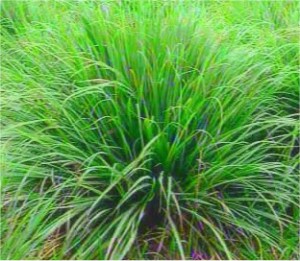
Lemongrass This plant has a fresh lemony fragrance that is appealing to most people, but that mosquitoes absolutely hate. It is the main source of many commercial repellents and repellent lanterns, torches or candles.
Lemongrass can be grown by seed but it’s a lengthy process. If the planting area is a garden or patio, grow this grass behind small shrubs & flowers. Otherwise plant along seating areas or walkways. Better is to grow them in pots which can be brought indoors as the plant is sensitive to cold temperatures.
The quickest way to grow lemongrass is by purchasing a mature bundle of it through any preferred produce spot, Asian store or grocery store.

Marigold Commonly grown as ornamental border plants, marigolds are hardy annual plants which have a distinctive smell which mosquitoes, and some gardeners, find particularly offensive. Marigolds contain Pyrethrum, a compound used in many insect repellents.
Potted marigolds can be positioned near entrances to your home and any common mosquito entry points, such as open windows. The smell may deter mosquitoes from going past this barrier. While marigolds can be used as border plants around the patio, we do not advise putting marigolds on the patio table since the bright blooms may attract wasps.
Besides repelling mosquitoes, marigolds repel insects which prey on tomato plants, so you may want to plant a few marigolds in your tomato bed for added protection.

Ageratum Also known as Flossflowers, Ageratum emits a smell which mosquitos find particularly offensive. Ageratum secretes coumarin, which is widely used in commercial mosquito repellents.
Ageratum is a low-lying annual ornamental plant which reaches heights of 8 – 18”, and is easily recognized by its blue flowers, although there are varieties with pink, white and violet blooms.
This plant will thrive in full or partial sun and does not require rich soil. It is often displayed in rock gardens where low-lying plants are favored.
Although the leaves of Ageratum can be crushed to increase the emitted odor, it is not advisable to rub the crushed leaves directly on the skin.

Rosemary This herb is awesome for cooking, but did you know that it’s great for repelling mosquitoes, too?
Rosemary likes a Mediterranean climate, so it thrives in well draining soil and full sunlight. It’s easy to grow and doesn’t require much water. If you live in a warm climate, your rosemary will even survive the winter. If you live in a climate where the winter dips below 30 degrees F, plant your rosemary in pots so that you can bring it indoors during the winter.
Rosemary is technically a shrub and can get quite large, so trim it frequently.

Mint Why it is mosquitoes don’t like the refreshing, delicious scent of mint? It gives off a strong incense-like odor which confuses mosquitoes by masking the smell of its usual hosts.
Mint is a very hardy plant that grows rapidly in the ground or in pots. You can pick mint leaves and rub them on your skin as a mosquito repellent, or just include the plants in your landscape.
Mint leaves can be dried and used to make herbal tea. Its flowers will also attract bees and butterflies to your garden.
As a bonus, mint is also great for cooking and makes refreshing summer cocktails.
As you can see, these are just a sample of a few different plants out there that can help to keep bugs away! For more information and a list of plants that repel pesky mosquitoes contact DK Landscaping (707) 280-3632. So the next time you reach for the chemical bug spray, take a minute and think again, and choose something more natural!


